
 TR
TR


-
{{ CAT. NAME }}
{{ FILTERS.VARIANTS.TYPE1_NAME }}
{{ FILTERS.VARIANTS.TYPE2_NAME }}
Marka
Model
{{ FILTER.NAME }}
Fiyat
FPGA Geliştirme Kartları ve Modelleri
FPGA geliştirme kartları; dijital lojik tasarım, paralel işlem, gömülü sistem, görüntü işleme, sinyal işleme, haberleşme ve donanım hızlandırma projeleri için kullanılan programlanabilir donanım platformlarıdır. Zybo, Basys, Arty, PYNQ, Cmod, Analog Discovery ve benzeri FPGA kartlarını Robotistan’da çip ailesi, giriş/çıkış kapasitesi, eğitim seviyesi, bağlantı arayüzleri ve proje ihtiyacınıza göre karşılaştırabilirsiniz.
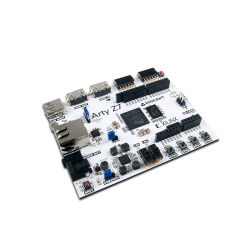
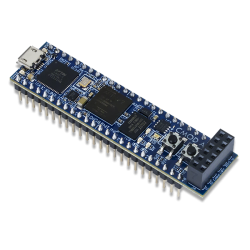


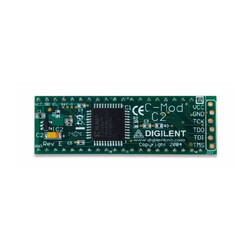
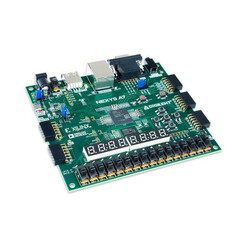


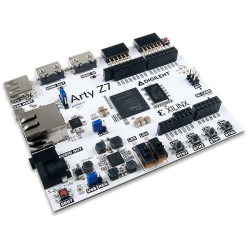


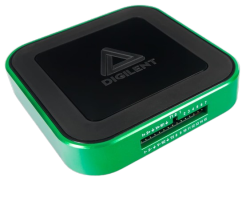


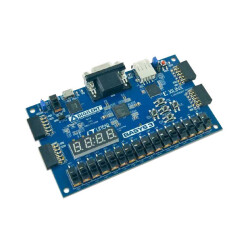

Sınırları Aşan Performans: FPGA Geliştirme Kartları
Mikrodenetleyiciler (Arduino®, STM32 vb.) kodları sırayla işlerken; FPGA (Field Programmable Gate Array - Alanda Programlanabilir Kapı Dizileri), kodları doğrudan donanım mimarisine dönüştürerek milyonlarca işlemi aynı anda paralel şekilde yapabilen özel donanımlardır. FPGA'ler bir yazılımı çalıştırmaz; yazdığınız koda göre kendi içindeki mantık kapılarını fiziksel olarak yeniden yapılandırır.
Bu özellikleri sayesinde mikrosaniyelerin bile önemli olduğu dijital sinyal işleme (DSP), yüksek hızlı veri toplama, kripto madenciliği, telekomünikasyon, yapay zeka (AI) donanım hızlandırması, uzay ve savunma sanayii gibi kritik projelerde endüstri standardı olarak kullanılırlar.
Özelleştirilebilirlik ve Esneklik
FPGA geliştirme kartları, özelleştirilebilir donanım tasarımının kapılarını aralar. FPGA kartlar, içerdikleri programlanabilir mantık hücreleri sayesinde size benzersiz ve özgün devreler oluşturma gücü verir.
Ürünlerinizin ihtiyaçlarına uyacak şekilde tasarımlar yapabilir ve özgün projeler oluşturabilirsiniz.
Teknolojiyi Kavrayın
FPGA geliştirme kartları, dijital tasarım alanında yeniyseniz bile size teknolojiyi anlama ve öğrenme fırsatı sunar.
Başlangıç seviyesinden ileri seviyeye kadar birçok farklı zorluk seviyesinde projelerle çalışabilir, deneyim kazanabilir ve kendinizi geliştirebilirsiniz.
Aynı zamanda uzmanlar için de karmaşık projeleri prototipleme ve test etme imkanı sağlar.
Bağlantı ve Entegrasyon Kolaylığı
FPGA geliştirme kartları genellikle endüstri standardı arabirimlere sahiptir. USB, Ethernet, HDMI gibi yaygın bağlantı noktaları sayesinde projelerinizi diğer sistemlerle entegre edebilirsiniz.
Ayrıca çeşitli sensörler, ekranlar ve harici bileşenlerle uyumlu olan kartlar sayesinde projelerinizin işlevselliğini genişletebilirsiniz.
İleri Teknoloji, İleri Projeler
FPGA geliştirme kartları kategorisi, teknoloji meraklılarından profesyonel mühendislere kadar herkes için yenilikçi ve yaratıcı projelerin kapılarını aralar.
Kartlar, dijital dünyayı kendi tasarımınızla şekillendirmeniz için gereken gücü ve araçları sunar.
Hangi FPGA Ekosistemini Seçmelisiniz?
Kategori sayfamızda listelenen donanımlar, dünya çapında kabul görmüş ana yonga üreticilerinin mimarilerini barındırır. Projenizin gereksinimlerine göre şu seriler arasından seçim yapabilirsiniz:
1. Eğitim ve Hobi: Gowin Tang Nano ve Spartan Serileri
FPGA dünyasına yeni giriş yapıyorsanız ve VHDL / Verilog gibi donanım tanımlama dillerini öğrenmek istiyorsanız, Tang Nano (Gowin) serisi kartlar veya Spartan-6 çipli eğitim kitleri iyi birer başlangıç noktasıdır.
Düşük bütçeleri ve görece daha sade IDE yapıları sayesinde öğrenme sürecinizi kolaylaştırırlar.
2. İleri Seviye ve Hibrit Sistemler: Zynq ve Cyclone Serileri
İleri seviye görüntü işleme veya ağ projeleri için kategorimizde yer alan Alinx Xilinx Zynq-7000 tabanlı kartları inceleyebilirsiniz.
Zynq serisi, çift çekirdekli ARM Cortex işlemcilerle FPGA mantık kapılarını aynı çipte buluşturan hibrit bir SoC yapı sunar.
Bu sayede donanım hızlandırmasını FPGA'ye, işletim sistemi ve yazılım yönetimini ise ARM çekirdeğine bırakarak yüksek verim elde edebilirsiniz.
Ayrıca Altera (Intel) Cyclone serisi kartlar da endüstriyel projelerde sıklıkla tercih edilen güçlü alternatiflerdir.
FPGA Kullanım Alanları ve Programlama Yöntemleri
FPGA nedir? FPGA, programlanabilir mantık hücrelerinin ve bağlantıların özelleştirilebildiği bir donanım platformudur. FPGA'lar genellikle dijital tasarım ve lojik işlemler için kullanılır. FPGA'ları programlamak için genellikle iki ana yaklaşım vardır:
- HDL: Hardware Description Language yani donanım tanımlama dili, donanım yapılarını ve işlevlerini tanımlamak için kullanılır. En yaygın HDL türleri Verilog ve VHDL'dir. Bu dillerle tasarlanan kodlar, sentez araçları kullanılarak fiziksel FPGA yapılarına dönüştürülür.
- Sistem dizayn araçları: Bazı FPGA üreticileri, kullanıcıların donanım tasarımlarını grafiksel arayüzler veya C/C++ tabanlı yüksek seviyeli araçlar kullanarak oluşturmasına olanak tanır. Bu yaklaşım, daha az donanım deneyimi olan kişilerin de FPGA tasarımları oluşturmasına yardımcı olabilir.
- Dijital mantık tasarımı: FPGA'lar, sayısal mantık işlemleri, devre tasarımları ve hesaplamalar gibi temel lojik işlemleri gerçekleştirmek için kullanılabilir.
- Görüntü işleme: FPGA'lar, gerçek zamanlı görüntü işleme, görüntü filtreleri ve görüntü analizi gibi uygulamalarda kullanılabilir.
- Sinyal işleme: FPGA'lar, ses işleme, radyo frekans işleme ve diğer sinyal işleme uygulamaları için optimize edilmiş donanım yapılarıyla kullanılabilir.
- Yapay zeka ve makine öğrenimi: Özellikle derin öğrenme modellerinin hızlandırılması için FPGA'lar kullanılabilir.
- Endüstriyel otomasyon ve kontrol: PLC yerine FPGA kullanarak özelleştirilmiş otomasyon çözümleri oluşturulabilir.
- Telekomünikasyon: FPGA'lar, veri iletişimi, kod çözme, şifreleme ve ağ yönetimi gibi alanlarda kullanılabilir.
FPGA'lar genellikle tasarımın daha düşük seviyede olduğu, donanım ve lojik işlemlerin optimize edilmesinin gerektiği uygulamalarda tercih edilir.
Donanım tasarımı ve programlama konularında bilgi sahibi olmanız gerekebilir; ancak yukarıdaki uygulama alanlarına yönelik birçok farklı proje geliştirebilirsiniz.
Modeller Arası Hızlı Karşılaştırma Rehberi
İhtiyacınıza en uygun modeli bulmak için kategorimizde öne çıkan donanım ailelerini aşağıdaki tabloda kıyaslayabilirsiniz:
| FPGA Çip Ailesi | Öne Çıkan Modeller | Kullanım Alanı ve Seviye | Programlama Dili |
| Gowin | Tang Nano 4K / 9K | Yeni başlayanlar, uygun fiyatlı mantık tasarımı | VHDL / Verilog |
| Xilinx Spartan-6 | Mojo v3, Alinx AX301B | Eğitim, orta seviye Ar-Ge | VHDL / Verilog |
| Altera (Intel) Cyclone IV | Geliştirme boardları | Endüstriyel kontrol, sinyal işleme | VHDL / Verilog |
| Xilinx Zynq-7000 | Alinx Zynq SoC kartları | Gelişmiş görüntü işleme, otonom sistemler | C/C++ (ARM) + VHDL/Verilog |
Robotistan Güvencesiyle Donanım Geliştirme
Gerçek bir donanım mühendisi olma yolunda atacağınız bu büyük adımda, doğru ve orijinal donanımlarla çalışmak önemlidir.
Xilinx, Altera, Lattice, Microsemi ve Gowin tabanlı geliştirme kartlarının pin bağlantı şemalarına ve dokümantasyonlarına ürün sayfalarından kolayca ulaşabilirsiniz.
Yüksek frekanslarda stabil çalışan bu kartlar ile telekomünikasyon, medikal cihazlar veya havacılık gibi sıfır hata toleranslı alanlara yönelik prototiplerinizi güvenle üretebilirsiniz.
Sıkça Sorulan Sorular
FPGA'leri Arduino gibi C veya C++ dilleriyle kodlayabilir miyim?
Standart bir FPGA çipi C veya C++ gibi dillerle doğrudan kodlanmaz; çünkü yazılım değil, fiziksel bir devre tasarımı yaparsınız. Bu yüzden VHDL veya Verilog HDL gibi donanım tanımlama dilleri kullanılır. Ancak Zynq serisi gibi hibrit kartlarda, çipin içindeki ARM işlemci kısmını C/C++ ile standart bir mikrodenetleyici gibi programlayabilirsiniz.
FPGA öğrenmeye hangi kartla başlamalıyım?
Eğitim amacıyla genellikle Xilinx Spartan-6 serisini barındıran geliştirme kartları veya bütçe dostu, modern bir alternatif olan Tang Nano serisi tercih edilir. Bu kartlar, temel mantık kapılarını öğrenmek ve basit dijital saat, sayaç veya VGA görüntü projeleri yapmak için yeterli kapasiteye sahiptir.
Bu kartları programlamak için ekstra bir JTAG cihazı almalı mıyım?
Kategorimizde yer alan modern FPGA geliştirme kartlarının pek çoğu, örneğin Tang Nano serisi ve çoğu Alinx modeli, üzerinde dahili programlayıcı devresi barındırır. Bu sayede kartı doğrudan USB üzerinden bilgisayarınıza bağlayıp derlediğiniz devreyi, yani bitstream dosyasını çipe yükleyebilirsiniz. İlgili kartın ürün açıklamalarında harici JTAG gereksinimi olup olmadığı detaylıca belirtilmektedir.