
 TR
TR


-
{{ CAT. NAME }}
{{ FILTERS.VARIANTS.TYPE1_NAME }}
{{ FILTERS.VARIANTS.TYPE2_NAME }}
Marka
Model
{{ FILTER.NAME }}
Fiyat
RF Alıcı Verici Modül ve RFID Kart Çeşitleri
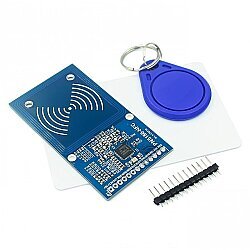
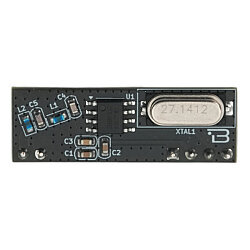
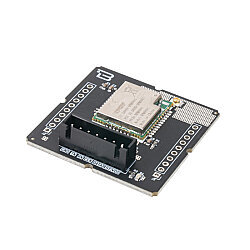

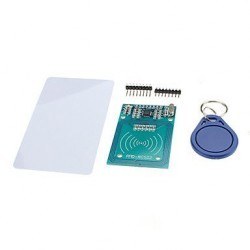
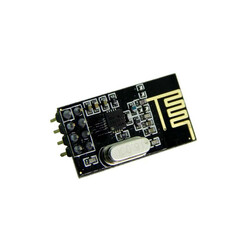
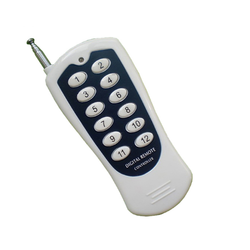
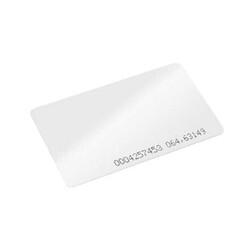
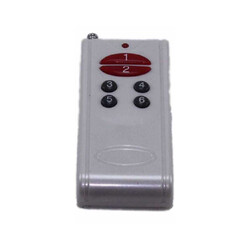
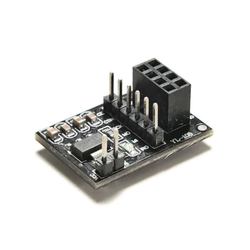
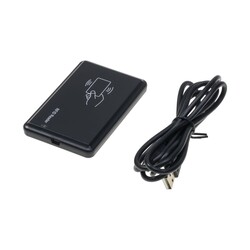
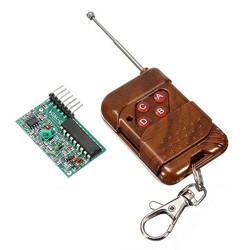

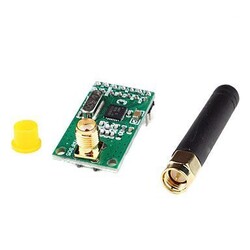
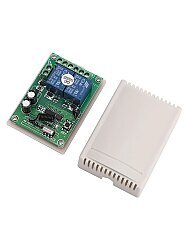
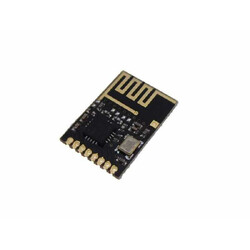
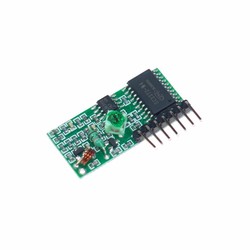
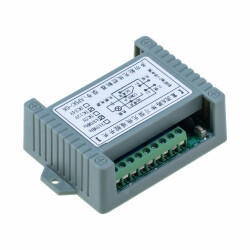
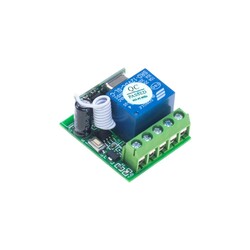

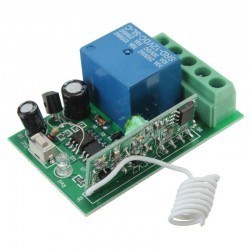
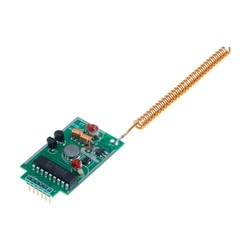
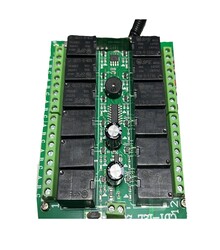
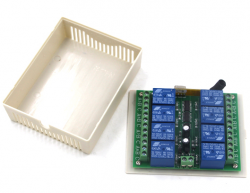
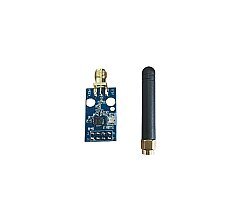
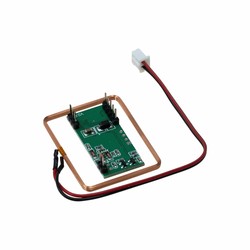
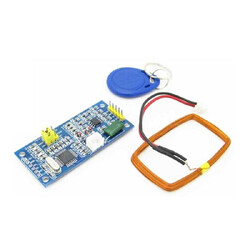
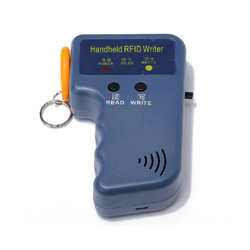
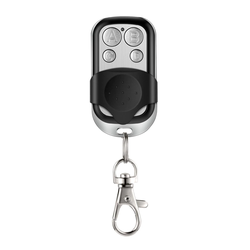
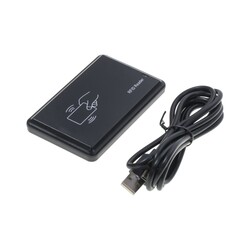

RF, RFID ve NFC: Kablosuz İletişimin Temelleri
Günümüzün hızla gelişen teknoloji çağında, kablosuz iletişim artık hayatımızın ayrılmaz bir parçası haline geldi. Mobil cihazlar, bilgisayarlar, akıllı ev sistemleri ve daha fazlası, bu teknolojileri kullanarak birbirleriyle iletişim kurarlar. İşte RF, RFID ve NFC gibi terimlerin kablosuz iletişim dünyasındaki önemi ve işlevleri.
RF (Radyo Frekans) Nedir?
RF, Radyo Frekans'ın kısaltmasıdır ve kablosuz iletişimin temel taşlarından biridir. RF, elektromanyetik spektrumun bir parçasıdır ve radyo dalgaları, mikrodalga fırınlar, telsiz iletişim, televizyon ve kablosuz internet gibi birçok teknolojide kullanılır. RF, bilgiyi radyo dalgaları aracılığıyla ileterek cihazlar arasında iletişimi sağlar.
RFID (Radyo Frekans Tanımlama) Nedir?
RFID, Radyo Frekans Tanımlama'nın kısaltmasıdır ve nesnelerin tanımlanması ve izlenmesi için kullanılır. Bir RFID sistemi, bir etiket veya transponder adı verilen bir cihazdan ve bir okuyucu cihazdan oluşur. RFID etiketi, bir radyo frekansı kullanarak bilgi gönderir ve RFID okuyucu bu bilgiyi alır. Bu teknoloji, envanter yönetimi, güvenlik sistemleri, otomasyon ve lojistik gibi birçok alanda kullanılır.
NFC (Yakın Alan İletişimi) Nedir?
NFC, Yakın Alan İletişimi'nin (Near Field Communication) kısaltmasıdır ve daha kısa mesafelerde iletişim kurmak için kullanılır. NFC, özellikle mobil cihazlar arasında veri paylaşımı ve ödeme işlemleri için yaygın olarak kullanılır. İki NFC uyumlu cihaz arasındaki iletişim, çok kısa mesafelerde, hatta temas halinde gerçekleşir. Bu, veri transferinin güvenliğini artırır.
NFC'nin Özellikleri ve Kullanım Alanları
NFC teknolojisinin en belirgin özelliklerinden biri temas gerektirmesidir. Bu, NFC özellikli cihazların birbirlerine yakın olmasını gerektirir. Bu yakınlık, güvenli veri transferini ve ödeme işlemlerini sağlar. NFC, akıllı kartlar, mobil ödemeler, otel anahtar kartları, otobüs biletleri ve hatta akıllı ev kontrol sistemleri gibi birçok uygulamada kullanılır.
RF, RFID ve NFC'nin Geleceği
Kablosuz iletişim teknolojileri, gelecekte daha da yaygınlaşmaya devam edecek gibi görünüyor. IoT (Nesnelerin İnterneti) ve akıllı şehirler gibi alanlarda bu teknolojilerin kullanımı artacaktır. Ayrıca, özellikle NFC teknolojisi, ödeme sistemlerinde ve güvenli kimlik doğrulamada daha fazla yer bulacaktır.
Sonuç olarak, RF, RFID ve NFC gibi kablosuz iletişim teknolojileri, modern dünyada hayati bir rol oynamaktadır. Bu teknolojiler, cihazlar arasında veri paylaşımını, nesnelerin izlenmesini ve güvenli iletişimi kolaylaştırır. Gelecekte, bu teknolojilerin daha da yaygınlaşması ve gelişmesi beklenmektedir, bu da günlük yaşantımızı daha da kolaylaştıracaktır.