
 TR
TR


-
{{ CAT. NAME }}
{{ FILTERS.VARIANTS.TYPE1_NAME }}
{{ FILTERS.VARIANTS.TYPE2_NAME }}
Marka
Model
{{ FILTER.NAME }}
Fiyat
NodeMCU ve ESP Geliştirme Kartları
Nesnelerin İnterneti (IoT) projeleriniz için dahili Wi-Fi ve Bluetooth özellikli, uygun fiyatlı ESP8266 ve ESP32 tabanlı NodeMCU kartlarını Robotistan güvencesiyle keşfedin.
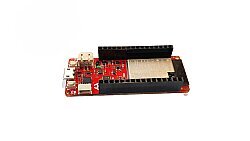
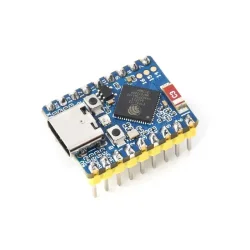
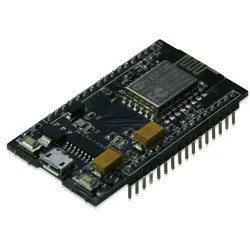
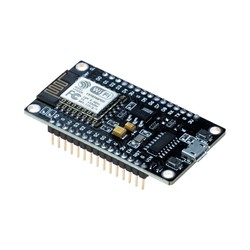
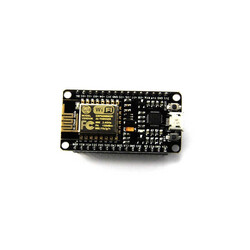
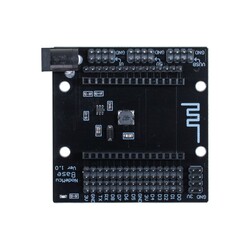
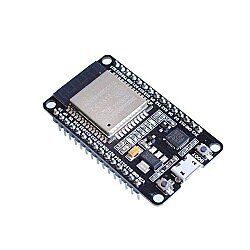
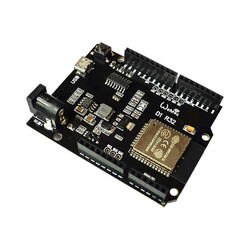
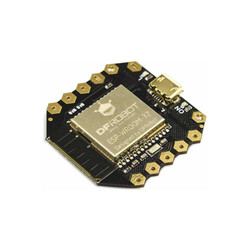
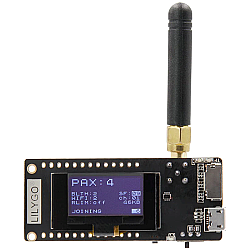
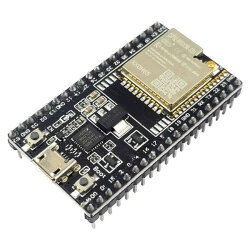
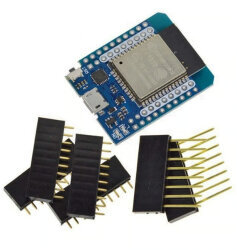
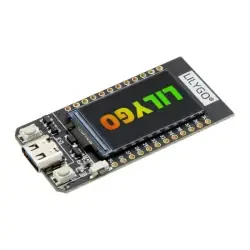
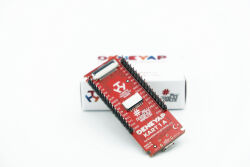
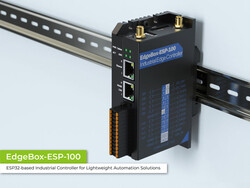
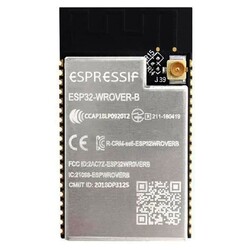
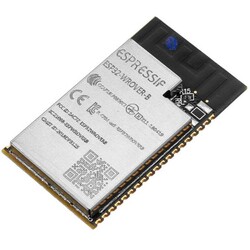
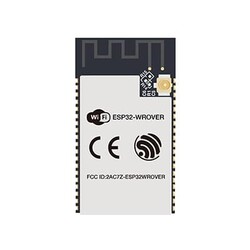
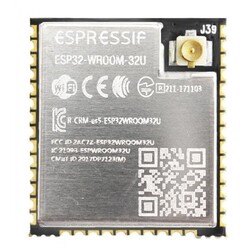
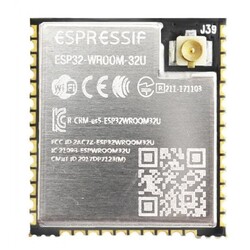
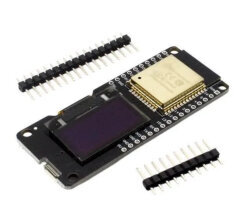
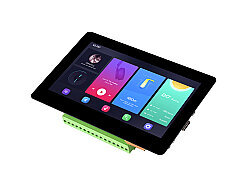
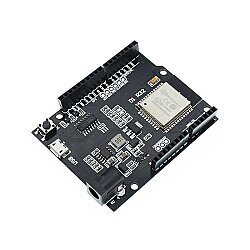
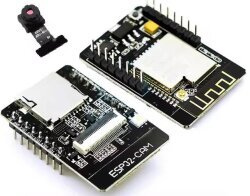
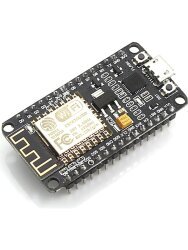
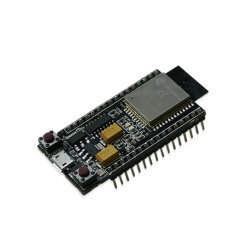
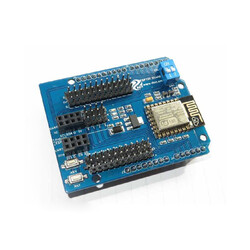
NodeMCU / ESP: Nesnelerin İnterneti İçin Güçlü Çözümler
NodeMCU, ESP8266 Wi-Fi modülünü temel alan ve geliştiricilere kolayca internet bağlantısı sağlama imkanı sunan açık kaynaklı bir platformdur.
ESP8266, düşük maliyetli, düşük güç tüketimli ve Wi-Fi yeteneklerine sahip bir mikrodenetleyicidir.
NodeMCU, bu modülün üzerine yerleştirilmiş bir geliştirme kartı olarak düşünülebilir.
NodeMCU kartı, mikrodenetleyicinin programlanmasını ve Wi-Fi bağlantısının yönetilmesini kolaylaştıran birçok özellik ve kaynak içerir.
Arduino® IDE veya Lua programlama dili gibi farklı geliştirme araçları ile programlanabilir.
Wi-Fi bağlantısı sayesinde IoT projeleri, uzaktan sensör izleme ve kontrol projeleri gibi birçok uygulama geliştirilebilir.
NodeMCU, özellikle hobi elektroniği, IoT projeleri, akıllı ev otomasyonu ve sensör tabanlı uygulamalar gibi alanlarda popüler bir seçenektir.
Kullanıcılar, Wi-Fi üzerinden cihazlarını uzaktan kontrol etmek veya internete bağlamak için NodeMCU platformunu kullanabilirler.
NodeMCU ESP8266 İlişkisi
NodeMCU ve ESP8266, IoT uygulamaları ve diğer internet bağlantılı projeler için kullanılan popüler geliştirme platformlarıdır.
ESP8266 temel olarak bir Wi-Fi mikrodenetleyici modülüdür; NodeMCU ise bu modülü daha kolay programlanabilir ve kullanılabilir hale getiren bir geliştirme kartıdır.
ESP8266 Mikrodenetleyici Modülü
ESP8266, düşük maliyeti ve düşük güç tüketimi ile dikkat çeker. Dahili Wi-Fi yetenekleri sayesinde internete bağlanabilir ve veri iletişimi yapabilir.
GPIO pinleri sayesinde diğer cihazlarla iletişim kurabilir.
ESP8266, başta IoT projeleri olmak üzere sensör tabanlı uygulamalardan akıllı ev otomasyonuna kadar birçok farklı alanda kullanılır.
NodeMCU Geliştirme Kartı
NodeMCU, ESP8266 modülünü daha kolay kullanılabilir hale getiren bir geliştirme kartıdır.
NodeMCU kartı, ESP8266 modülünü barındıran bir PCB üzerine monte edilmiştir.
Bu kart, ESP8266'yı programlamak ve Wi-Fi bağlantısını yönetmek için gerekli arabirimleri ve bileşenleri içerir.
Genellikle Lua programlama dili veya Arduino IDE gibi geliştirme araçları ile programlanabilir.
NodeMCU, ESP8266'nın potansiyelini daha kolay şekilde değerlendirmenizi sağlar.
Kartın üzerindeki konektörler ve pinler, projeleri daha hızlı ve kolay şekilde oluşturmanıza yardımcı olur.
Aynı zamanda Wi-Fi bağlantısı sayesinde internete erişim ve uzaktan kontrol yeteneklerini projelerinize entegre edebilirsiniz.
Sonuç olarak NodeMCU ve ESP8266, internet bağlantılı projeler geliştirmek isteyenler için güçlü ve kullanıcı dostu bir kombinasyon sunar.
ESP8266 mikrodenetleyici modülü, Wi-Fi yetenekleri ile cihazların internete bağlanmasını sağlarken; NodeMCU geliştirme kartı, modülü daha kolay programlayabilmeniz ve projelerinizde kullanabilmeniz için tasarlanmış bir arayüz sunar.
Bu sayede IoT projelerinden akıllı ev otomasyonuna kadar birçok farklı alanda yaratıcı çözümler üretebilirsiniz.
ESP8266 ve ESP32 Karşılaştırması
İhtiyacınıza en uygun modeli bulmak için iki ana çip ailesini aşağıdaki tabloda kıyaslayabilirsiniz:
| Özellik | ESP8266: NodeMCU vb. | ESP32 |
| İşlemci Çekirdeği | Tek çekirdek | Çift çekirdek |
| Kablosuz Bağlantı | Sadece Wi-Fi | Wi-Fi + Bluetooth Classic ve BLE |
| İdeal Kullanım Alanı | Temel IoT, sensör okuma, akıllı ev | Gelişmiş IoT, ses/görüntü aktarımı |
| Pin Sayısı ve ADC | Sınırlı pin sayısı, tek ADC | Çok sayıda pin, gelişmiş ADC/DAC |
NodeMCU ESP8266 Örnek Projeleri
- Akıllı ev otomasyonu: NodeMCU, evinizdeki aydınlatma, termostat ve güvenlik kamerası gibi cihazları internete bağlayarak uzaktan kontrol edebilmenizi sağlar.
- Hava durumu istasyonu: DHT11 veya DHT22 sensörleri kullanarak sıcaklık, nem ve basınç verilerini ölçebilir, bu verileri internete gönderebilirsiniz.
- Uzaktan kontrollü robot: NodeMCU ile bir robot oluşturabilir ve Wi-Fi bağlantısı sayesinde robotu uzaktan kontrol edebilirsiniz.
- Akıllı sulama sistemi: Toprak nem sensörleri ile bitkilerinizin su ihtiyacını takip edip sulama sistemini otomatik olarak kontrol edebilirsiniz.
- Ev güvenlik sistemi: PIR sensörleri ve kamera modülleri kullanarak evinizin güvenliğini sağlayan bir sistem oluşturabilir, hareket algılandığında bildirim alabilirsiniz.
- Akıllı priz kontrolü: NodeMCU ile akıllı prizler oluşturarak evinizdeki elektronik cihazları uzaktan açıp kapatabilirsiniz.
- Akıllı çiftlik: Toprak nem, ışık ve sıcaklık sensörleri ile tarım alanlarınızı izleyebilir, verileri toplayabilir ve sulama sistemlerini yönetebilirsiniz.
- Ev otomasyonu için ses kontrolü: NodeMCU'yu mikrofon ve hoparlör ile birleştirerek evinizdeki cihazları ses komutlarıyla kontrol edebilirsiniz.
- Uzaktan sıcaklık izleme: DHT11 veya DS18B20 gibi sensörlerle bir nesnenin sıcaklığını ölçebilir ve internete bağlanarak sıcaklık verilerini izleyebilirsiniz.
- Akıllı ışık kontrolü: LDR sensörleri ile ortam ışığını ölçebilir ve NodeMCU ile ortam ışığını otomatik olarak kontrol edebilirsiniz.
Bunlar yalnızca başlangıç için bazı örneklerdir. NodeMCU ESP8266 platformu sayesinde hayal gücünüzü kullanarak birçok farklı projeyi gerçekleştirebilirsiniz.
Sıkça Sorulan Sorular
NodeMCU kartlarını Arduino® IDE ile kodlayabilir miyim?
Evet, kodlayabilirsiniz. Kartlar fabrika çıkışında Lua script dili, yani NodeMCU firmware ile gelse de Arduino® IDE üzerine ilgili Kart Yöneticisi paketlerini kurarak hem ESP8266 hem de ESP32 kartlarını standart C/C++ dilleriyle kolayca programlayabilirsiniz. Ayrıca bu donanımlar MicroPython kullanımını da desteklemektedir.
ESP modülleri için harici bir Wi-Fi anteni almalı mıyım?
NodeMCU ve Wemos benzeri geliştirme kartlarının büyük çoğunluğu üzerinde dahili PCB anten bulunur. Bu antenler standart ev ve ofis içi kullanımlarda modemle iletişim kurmak için genellikle yeterlidir. Ancak uzun menzil gerektiren özel projeler için, örneğin tarladaki bir sensör uygulamasında, üzerinde IPEX / U.FL harici anten soketi bulunan modülleri tercih etmeli ve ayrıca bir anten satın almalısınız.
Kartlara 5V sensör bağlayabilir miyim?
NodeMCU gibi üzerinde Micro-USB veya Type-C girişi bulunan kartlara USB üzerinden 5V güç verebilirsiniz; kart üzerindeki voltaj regülatörü bunu çip için 3.3V seviyesine düşürür. Ancak veri alışverişi yapılan GPIO pinlerinin toleransı 3.3V'tur. 5V sinyal üreten, örneğin standart ultrasonik sensör veya 5V Arduino pini gibi donanımları doğrudan bağlamak ESP çipine zarar verebilir. Araya mutlaka lojik seviye dönüştürücü eklenmelidir.