 EN
EN


-
{{ CAT. NAME }}
{{ FILTERS.VARIANTS.TYPE1_NAME }}
{{ FILTERS.VARIANTS.TYPE2_NAME }}
Brand
Model
{{ FILTER.NAME }}
Price
Arduino® Boards and Models
Browse original Arduino® boards, development kits, and official Arduino products to choose reliable hardware for your electronics, robotics, IoT, and prototyping projects.

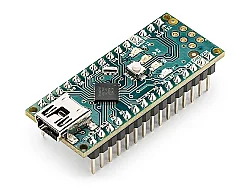
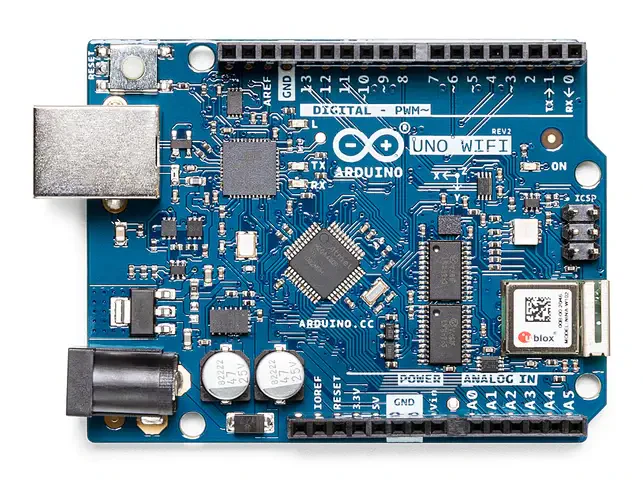
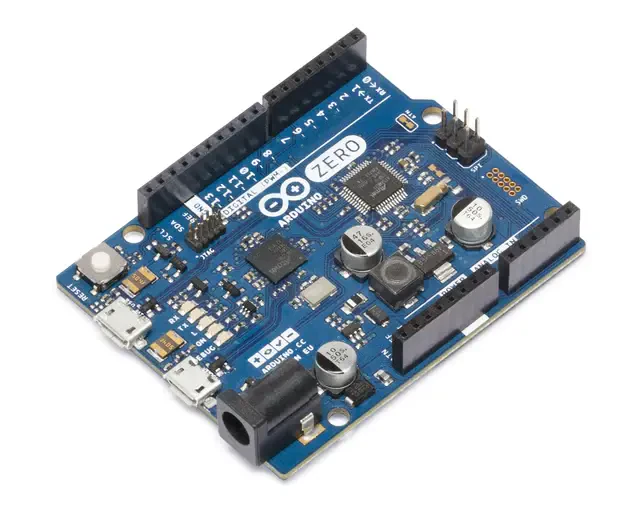
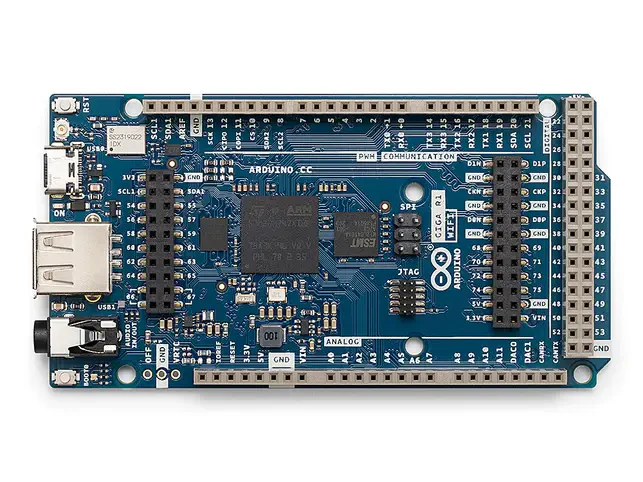
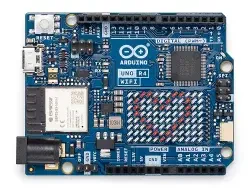
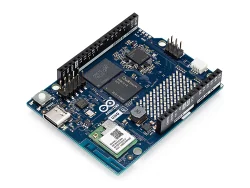
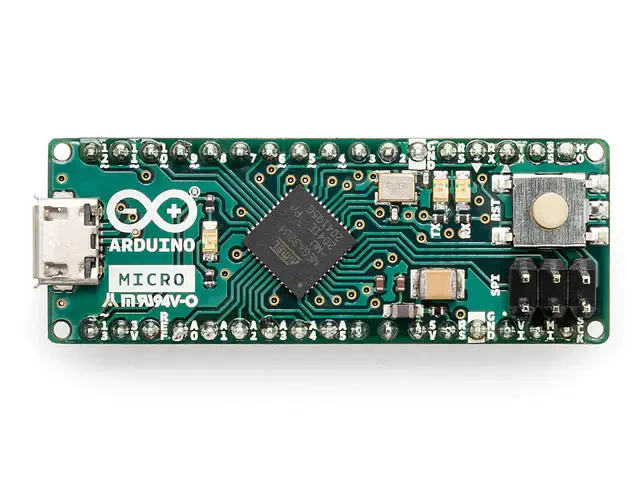
What Is Arduino®?
Arduino® is an open-source platform based in Italy that aims to make electronic hardware and software accessible to everyone.
Consisting of an easy-to-use development environment (Arduino® IDE) and microcontroller boards, this ecosystem enables everyone from artists to engineers, students to hobbyists, to develop interactive projects.
For users who are new to the world of electronics, Arduino® simplifies complex circuit design processes.
The board can be connected to a computer and programmed through the Arduino IDE; working projects can be created in a short time with LEDs, buttons, sensors, servo motors, relays, displays, and communication modules.
Why Choose Original Arduino® Products?
Original Arduino® products stand out with their hardware quality, software compatibility, official documentation support, and broad ecosystem advantage.
These boards, which can be easily programmed through the Arduino® IDE, are suitable for testing electronic circuits, quickly turning new ideas into prototypes, and developing projects that work with different components.
Choosing original products provides reliability, especially in education, workshops, R&D, and long-term project development processes.
The component quality on the board, connection stability, library support, and access to official resources help reduce compatibility issues that may occur during project setup.
Arduino® boards can be used together with LED, buttons, sensors, servo motors, DC motors, relays, displays, wireless communication modules, and different electronic components.
This allows users to first learn the basics of electronics and then move on to more advanced robotics, automation, and IoT projects.
Which Projects Are Arduino® Boards Used In?
Arduino® boards are widely used in hobby electronics, educational projects, STEM activities, maker applications, robotic systems, smart home projects, data monitoring systems, and prototyping processes.
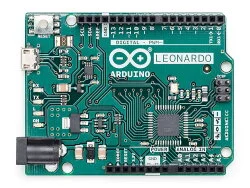
Arduino® models such as UNO, Nano, Mega, and Leonardo meet different project needs in terms of pin count, board size, processing capacity, and connection options.
At the beginner level, basic applications such as lighting an LED, reading a button, measuring temperature, detecting distance, running a servo motor, and controlling a relay can be built.
At more advanced levels, wireless communication, multi-sensor systems, robotic arms, line-following robots, data loggers, automatic irrigation systems, and interactive control projects can be developed.
The Arduino® ecosystem has a wide range of uses, from education to professional prototyping, because it can be easily expanded with different components.
Thanks to sensors, motor drivers, displays, communication modules, and expansion boards, many different project ideas can be brought to life with a single board.
Which Arduino® Model Should You Choose?
When choosing the right Arduino® model, you need to consider the technical needs of your project.
The number of sensors to be used, motor type, input/output pin requirements, board size, operating voltage, communication interfaces, and library support are important in the selection process.
Models that offer easy connection and broad resource support can be preferred for beginners. While small-sized boards provide an advantage in compact projects, models with more pins may be more suitable for projects where many components will be used at the same time.
If your project requires communication interfaces such as Wi-Fi, Bluetooth, I2C, SPI, or UART, the technical details in the product descriptions should definitely be reviewed.
| Model | Processor Architecture | Key Feature / Entity | Ideal Use Case |
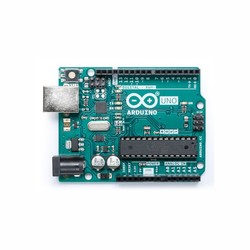
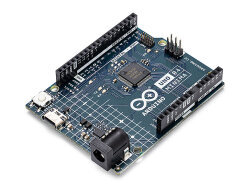
| Arduino® UNO R3 | 8-bit AVR (ATmega328P) | Plug-and-Play, Large Community | Education, Prototyping |
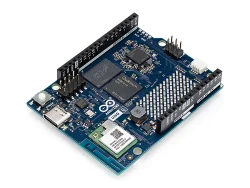
| Arduino® UNO R4 WiFi | 32-bit ARM Cortex-M4 | Wi-Fi / Bluetooth, LED Matrix | Smart Home, Advanced IoT |
| Arduino® UNO Q (New) | Qualcomm® MPU + 32-bit ARM MCU | Dual Brain, Linux Support, AI (Artificial Intelligence) | Edge AI, Image Processing, SBC |
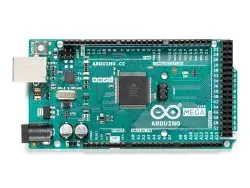
| Arduino® Mega 2560 R3 | 8-bit AVR (ATmega2560) | 54 Digital I/O, Large Memory | 3D Printer, CNC, Robotics |
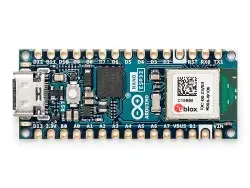
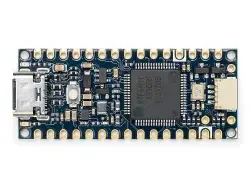
| Arduino® Nano | 32-bit ARM Cortex-M0+ | Compact Size, IMU Sensor | Wearable Technology |
Arduino® UNO for Beginners
Arduino® UNO is one of the most preferred models for users who are new to electronics and coding.
Thanks to its easy connection structure, broad example project support, and practical programmability with the Arduino IDE, it offers a strong starting point for learning the basics of electronics and programming.
Basic applications such as lighting an LED, reading a button, using a potentiometer, receiving sensor data, controlling a servo motor, and operating a relay can be easily built with Arduino® UNO.
For this reason, it is a suitable option for school projects, individual learning processes, robotic coding training, and beginner-level maker projects.
Arduino® Nano for Compact Projects
Arduino® Nano is preferred in portable, compact, or breadboard-based projects thanks to its small size.
Offering basic microcontroller features in a smaller form factor for circuits with limited space makes it practical in prototyping processes.
Arduino® Nano models can be considered for wearable electronics projects, small robotic systems, sensor-based measurement circuits, portable data collection applications, and compact control circuits.
When choosing a board, pin requirements, connection type, and compatibility with the modules to be used should be checked.
Arduino® Mega for Multi-Component Projects
Arduino® Mega provides an advantage for projects that need a large number of input/output pins. It offers wider connection possibilities when multiple sensors, motors, displays, relays, or communication modules will be used in the same project.
Arduino® Mega models can be preferred for robotic arms, automation panels, multi-sensor measurement systems, 3D printer control applications, advanced robotics projects, and comprehensive prototyping work. Since it offers more connection space, managing components becomes easier as the project grows.
The Power of Artificial Intelligence and Linux: New Arduino Q Series
For those who want to go beyond the limits of classic microcontrollers, the newly released Arduino UNO Q and VENTUNO Q models are game-changing!
These hybrid boards with a dual-brain architecture bring together powerful Qualcomm® Dragonwing™ microprocessors that run Linux Debian directly and STM32 microcontrollers that provide real-time hardware control in a single UNO form factor. With 2 GB and 4 GB RAM options for advanced Edge AI, Docker services, Python applications, and complex image and audio processing projects, the Q series takes the Arduino ecosystem almost to the level of a single-board computer (SBC).
What to Consider When Buying Arduino®
When buying an Arduino® board, attention should be paid not only to the model name but also to the technical features required by the project.
The board’s number of pins, analog inputs, PWM outputs, operating voltage, processor architecture, connection interfaces, and compatibility with the sensors or modules to be used should definitely be checked.
If the project requires communication needs such as USB connection, external power input, I2C, SPI, UART, Wi-Fi, Bluetooth, or Ethernet, the technical information in the product descriptions should be reviewed.
This allows the board to be matched more accurately with project components and reduces compatibility issues during the development process.
In addition, the environment where the board will be used, power supply preference, physical size, and project level are also important in the selection process.
While easy setup and resource support stand out in educational use, stability, expansion options, and long-term use may be more decisive in professional prototyping work.
Original Arduino® Products at Robotistan
At Robotistan, you can review original Arduino® boards and official Arduino products under a single category and choose the suitable model according to your project level and technical needs.
Arduino® products that can be used in education, maker, hobby, R&D, and prototyping work can be evaluated together with sensors, motor drivers, displays, relays, wireless communication modules, and other electronic components.
The Robotistan ecosystem offers not only product selection but also supportive content for the project development process.
Projects based on Arduino®, robotic coding applications, sensor usage, motor control, beginner guides, and example project content help you plan more easily which applications you can use your Arduino® board in.
When choosing the right board for your project, you can review product descriptions, technical specifications, and compatibility information; and create a more complete project infrastructure with sensors, motors, displays, power supplies, cables, and prototyping equipment according to your needs.
Related Product Groups in the Arduino® Ecosystem
In this category, you can review original Arduino® products.
If your project requires a different budget, parts, or compatibility needs, you can check the Boards and Accessories Based on Arduino category.
If you want to get multiple components together for education and project start-up, the Kits Based on Arduino category may be suitable.
You can develop more functional projects by using your board together with sensors, modules, and expansion boards.
For measurement, detection, and data collection applications, you can review Sensors / Modules for Arduino; for motor control, Ethernet connection, prototyping, or multiple connection needs, you can review Shields for Arduino options.
Users looking for alternative development boards to official Arduino products can evaluate the products in the Development Boards Based on Arduino category.
Frequently Asked Questions
What does Arduino® do?
Arduino® is a development platform used in electronic projects to read sensors, control motors, send data to displays, operate relays, and manage different electronic components through software. It is widely preferred in education, hobby, robotics, automation, IoT, and prototyping projects.
What is the difference between an original Arduino® board and compatible boards?
Original Arduino® boards are official products of the Arduino brand. Compatible or derivative boards are products from different manufacturers designed to work with the Arduino ecosystem. When choosing, the brand, technical specifications, connection structure, and compatibility information in the product description should be checked.
Which Arduino® model should be preferred for beginners?
At the beginner level, Arduino® UNO models are generally one of the easiest options to learn. Thanks to their broad resource support, easy connection structure, and many example projects, they are suitable for users who want to learn electronics and coding. Nano can be considered for smaller projects, while Mega models can be evaluated for projects that require more connections.
Which software is used to program Arduino® boards?
Arduino® boards are generally programmed through the Arduino IDE. Users can write code with this software, connect the board to a computer, upload programs, and expand their projects with different libraries. Arduino IDE offers a simple development environment for beginners while also providing broad library support for advanced projects.
Which projects can be built with Arduino®?
Robotics projects, smart home systems, automatic irrigation, distance measuring devices, temperature and humidity monitoring systems, motor control applications, data loggers, alarm systems, LED control circuits, and educational projects can be developed with Arduino®. The sensor, module, and board model to be used should be selected according to the scope of the project.
Which features should be checked when buying Arduino®?
When buying Arduino®, the number of pins, processor model, operating voltage, number of analog inputs, PWM outputs, communication interfaces, board size, power connection, and compatibility with the sensors or modules to be used should definitely be checked. Depending on the project size, you can choose between UNO, Nano, Mega, or different official Arduino® models.