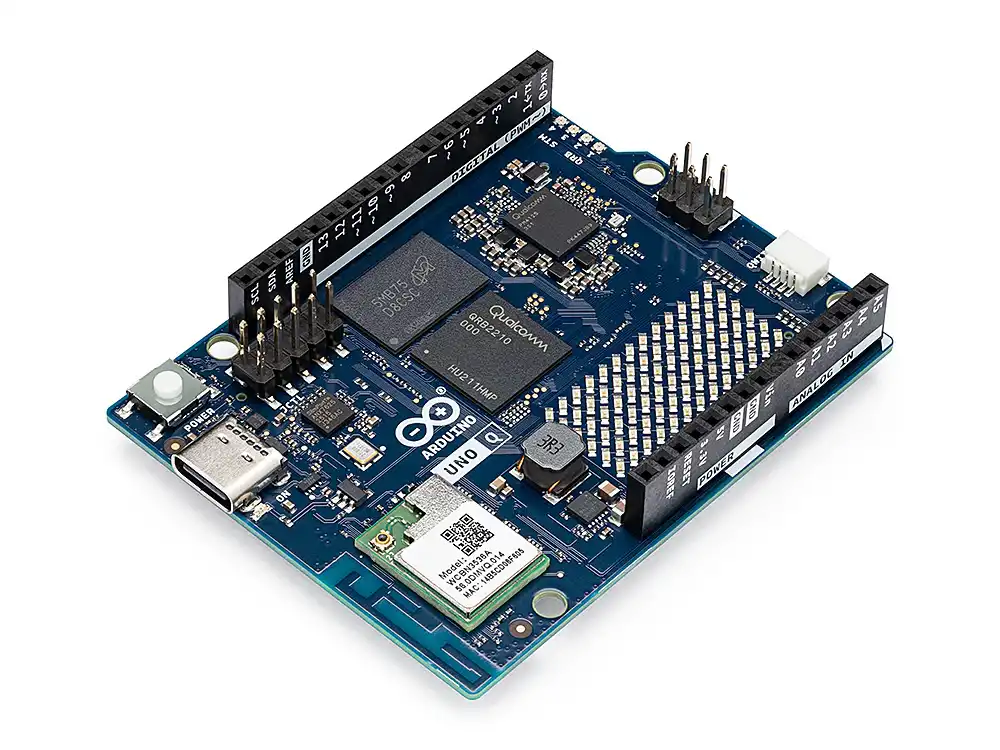
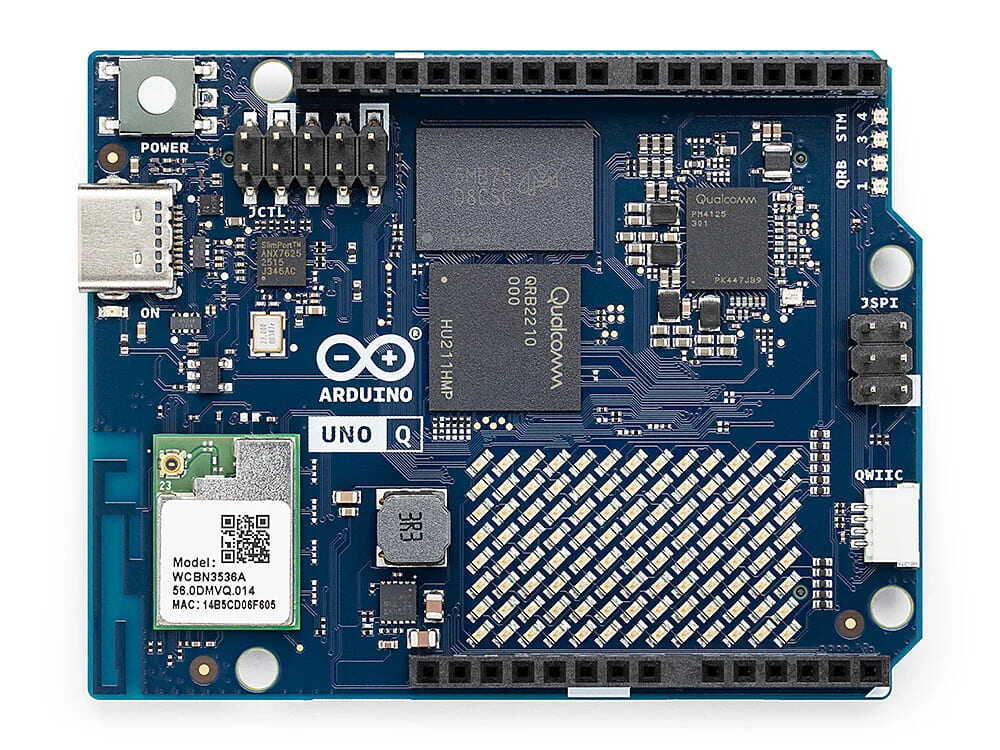
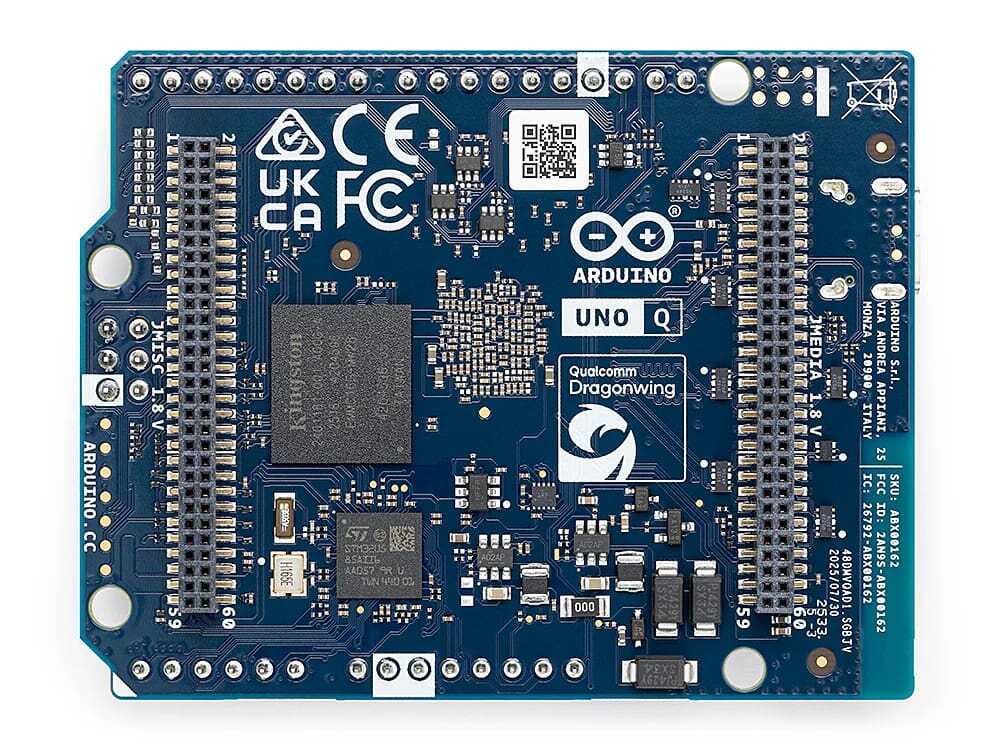
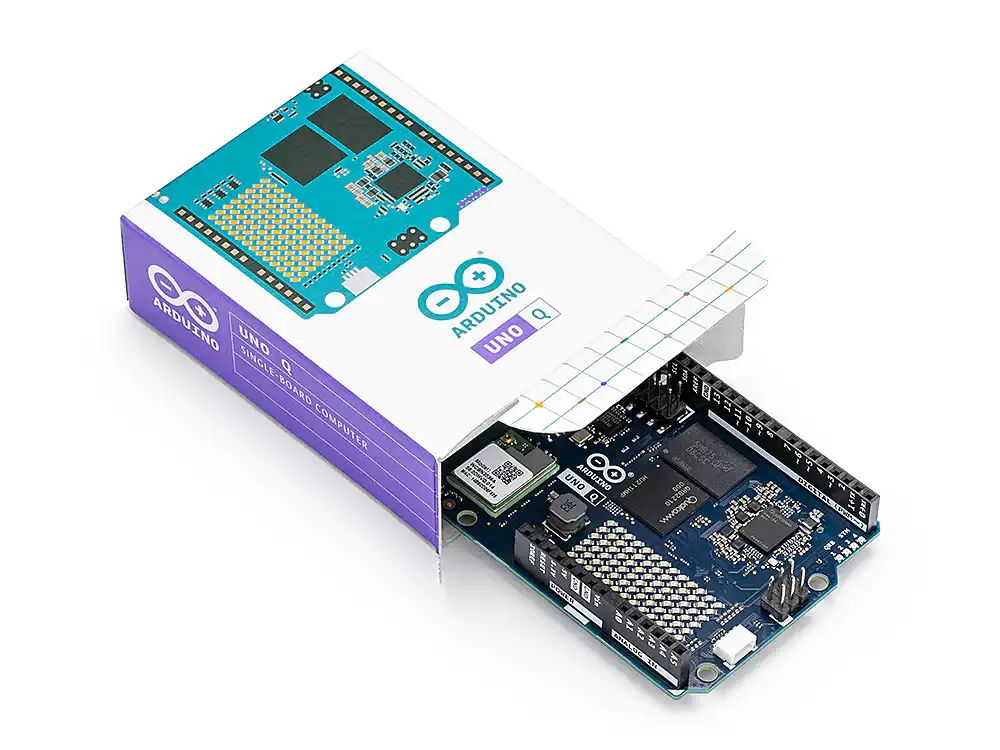
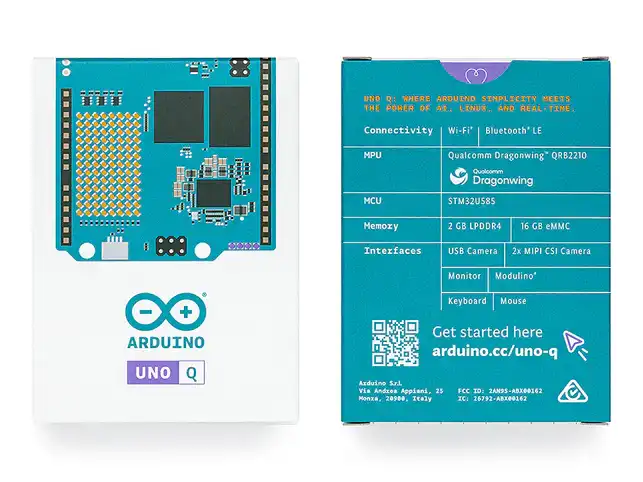
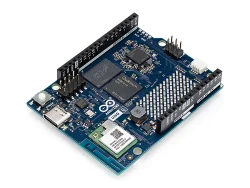
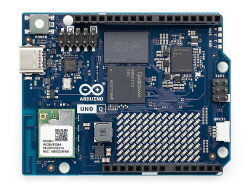
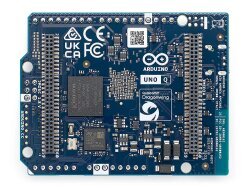
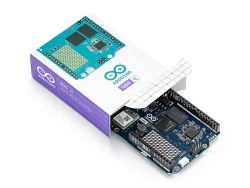
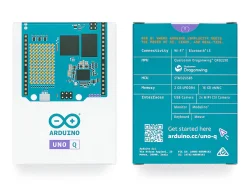
Arduino® UNO™ Q - 2 GB Development Board
Arduino® UNO™ Q - 2 GB is a hybrid development board that combines the classic UNO form factor with a powerful microprocessor capable of running Linux® and a microcontroller architecture optimized for real-time tasks. The Qualcomm® Dragonwing™ QRB2210 microprocessor and STM32U585 microcontroller work together on the board. This allows both Linux®-based high-level applications and low-latency hardware control tasks to be developed on a single board.
With 2 GB LPDDR4 RAM and 16 GB eMMC storage, Arduino® UNO™ Q - 2 GB is a powerful and accessible option for users who want to move from IoT, robotics, edge AI, data acquisition, remotely managed Linux®-based systems, and classic Arduino® projects to more advanced applications.
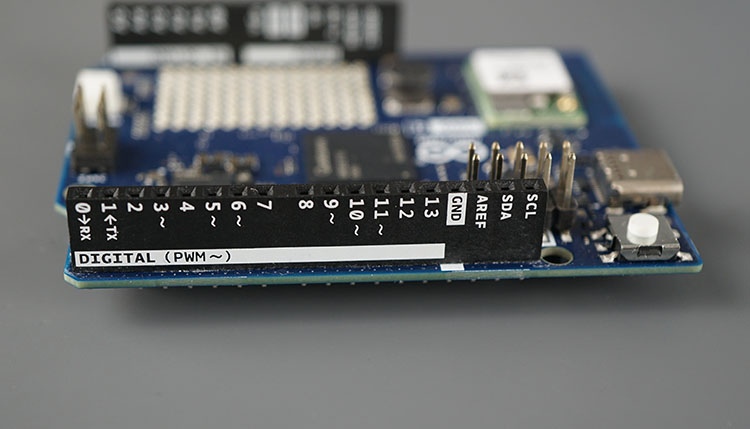
Arduino® UNO™ Q - 2 GB Highlights:
- Hybrid MPU + MCU Architecture: The Qualcomm® Dragonwing™ QRB2210 microprocessor manages Linux® applications, while the STM32U585 microcontroller handles real-time control tasks.
- 2 GB LPDDR4 RAM: Provides sufficient memory for IoT, Python, lightweight edge AI, and multitasking scenarios.
- 16 GB eMMC Storage: Provides built-in storage for the operating system, applications, project files, and data logs.
- Linux® Debian OS Support: Offers the ability to work with Python, C++, network services, and Linux®-based development tools.
- Arduino® App Lab: Arduino® sketches, Python scripts, and AI components can be used within the same development workflow.
- Wi-Fi 5 and Bluetooth® 5.1: Offers built-in connectivity support for wireless IoT, remote control, and connected device projects.
- UNO Form Factor: Offers a design compatible with the classic Arduino® UNO ecosystem, shield structure, and development habits.
- Qwiic Connection: Provides solderless expansion with Modulino® nodes and compatible peripherals.
Which Projects Is Arduino® UNO™ Q - 2 GB Suitable For?
Arduino® UNO™ Q - 2 GB is suitable for users who want to move from classic microcontroller projects to more advanced Linux®-based systems. It offers a balanced solution for computer-connected development, remote access via SSH, lightweight edge AI, TinyML, IoT prototyping, and data acquisition applications.
- Robotics and real-time control projects
- IoT device development and wireless prototyping
- Python-based embedded Linux® applications
- Lightweight edge AI and TinyML scenarios
- Sensor data acquisition, processing, and remote monitoring projects
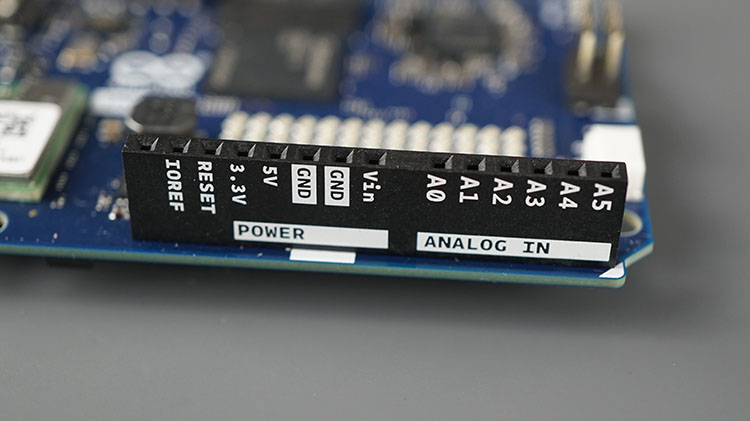
Arduino® UNO™ Q - 2 GB Technical Specifications:
- Microprocessor (MPU): Qualcomm® Dragonwing™ QRB2210
- CPU: Quad-core Arm® Cortex®-A53 @ 2.0 GHz
- GPU: Adreno GPU 3D graphics accelerator
- ISP: 2x ISP, 13 MP + 13 MP or 25 MP @ 30 fps
- Microcontroller (MCU): STM32U585
- MCU Core: Arm® Cortex®-M33, up to 160 MHz
- MCU Memory: 2 MB Flash, 786 KB SRAM
- RAM: 2 GB LPDDR4 / LPDDR4X
- Storage: 16 GB eMMC
- Wireless Connectivity: Wi-Fi 5, 2.4/5 GHz and Bluetooth® 5.1
- USB: 1x USB-C®, host/device role switching, power and video output
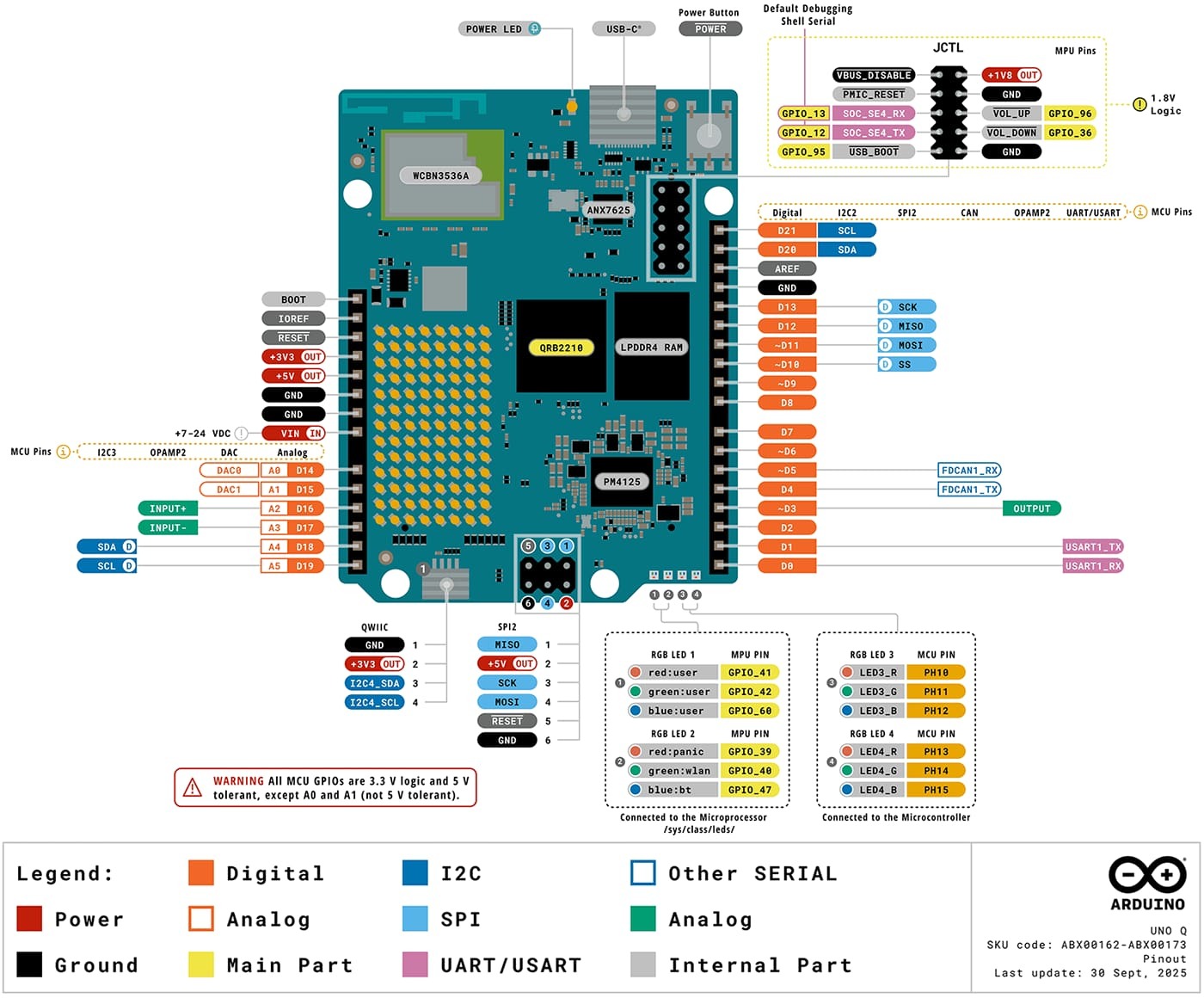
- Interfaces: I2C/I3C, SPI, PWM, CAN, UART, PSSI, GPIO, JTAG, ADC
- Qwiic Connection: Solderless expansion with Modulino® nodes and compatible modules
- Video: Video output via USB-C®, MIPI DSI pins on JMEDIA header
- Audio: Microphone input, headphone output, and line out support
- Operating System: Linux® Debian OS
- Real-Time Operating System: Arduino Core on Zephyr OS
- Container Support: Docker and Docker Compose
- Additional Hardware: 8x13 blue LED matrix, 4x RGB LED, 1x Qwiic connector
- Dimensions: 68.85 mm x 53.34 mm, UNO form factor
Arduino® App Lab Supported Operating Systems:
- Windows 10 or later, 64-bit
- macOS 11 or later, 64-bit
- Ubuntu 22.04 and Debian Trixie, 64-bit
2 GB or 4 GB? Which Model Should You Choose?
Arduino® UNO™ Q - 2 GB is a powerful option for users who want to experience a hybrid development board with a more economical budget. It offers an ideal balance for computer-connected use, access via SSH, lightweight edge AI scenarios, IoT prototyping, data acquisition, and transitioning from classic Arduino®-based projects to more advanced systems.
If you will run heavy Docker containers in your projects, connect the board directly to a monitor and use it like a desktop, or process large datasets, you can review the Arduino® UNO™ Q - 4 GB model, which offers higher RAM and storage.
Frequently Asked Questions:
- What is Arduino® UNO™ Q - 2 GB? It is a hybrid Arduino® development board that combines the Qualcomm® Dragonwing™ QRB2210 microprocessor capable of running Linux® and the real-time STM32U585 microcontroller on a single board.
- Can it be used with Arduino® IDE? Yes. It offers a development experience compatible with Arduino® IDE, Arduino® Cloud, and Arduino® App Lab.
- Can development be done with Python? Yes. Python scripts can be run on Linux® Debian OS; sketch, Python, and AI components can also be used together within App Lab.
- Does it support Wi-Fi and Bluetooth®? Yes. The board includes dual-band Wi-Fi 5 and Bluetooth® 5.1.
- What is the USB-C® port used for? It can be used for power supply, host/device role switching, data transfer, and video output.
- When should UNO™ Q be preferred instead of UNO R4? UNO R4 is suitable for pure microcontroller projects. UNO™ Q stands out when Linux®, AI, image/audio processing, and more advanced applications are required.
Similar Products:

 EN
EN