
 EN
EN


-
{{ CAT. NAME }}
{{ FILTERS.VARIANTS.TYPE1_NAME }}
{{ FILTERS.VARIANTS.TYPE2_NAME }}
Brand
Model
{{ FILTER.NAME }}
Price
Sensors and Modules for Arduino
Sensor and module options for Arduino are used for electronic project needs such as distance measurement, temperature monitoring, humidity measurement, light detection, gas detection, motion detection, motor control, communication, and data collection. You can compare sensor and module options compatible with boards based on Arduino at Robotistan according to your project purpose, connection type, operating voltage, and application area.
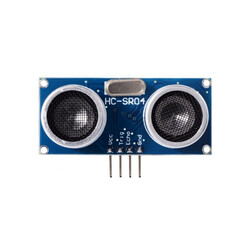
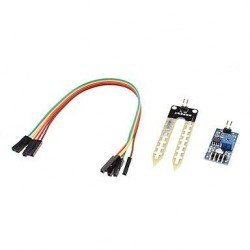
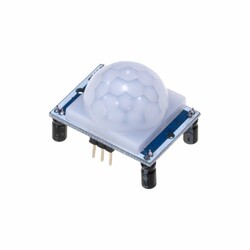
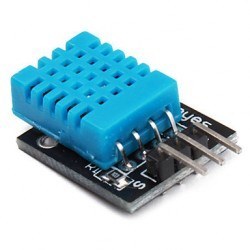
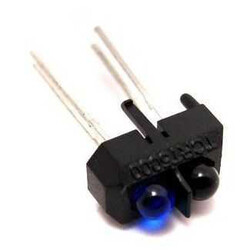
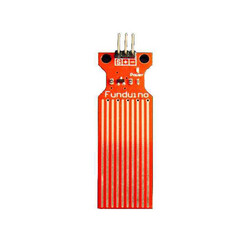
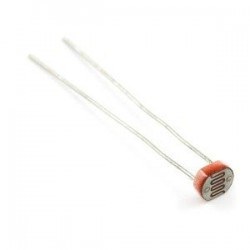
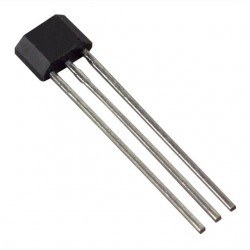
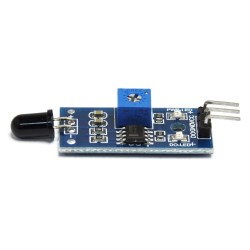
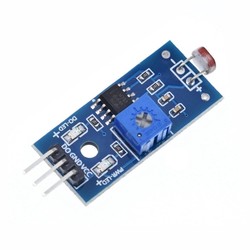
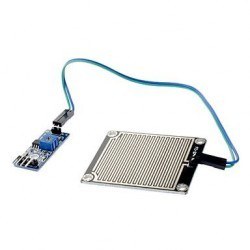
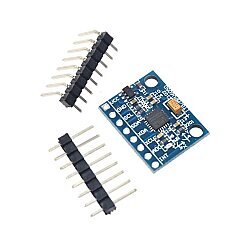
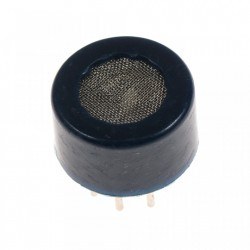
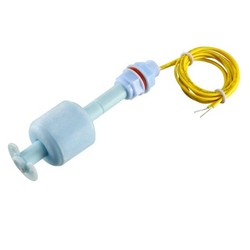
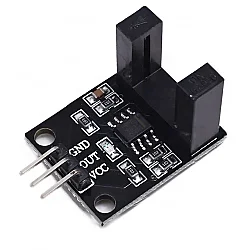
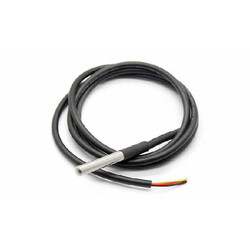
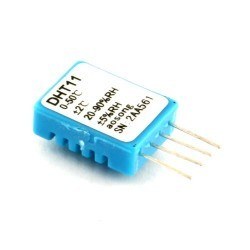
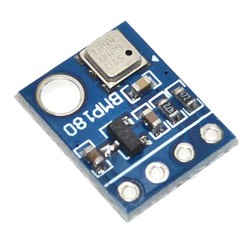
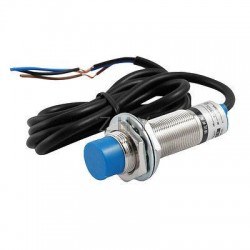
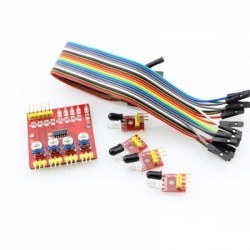
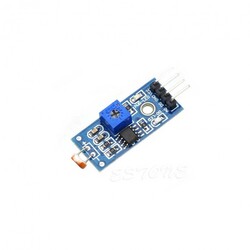
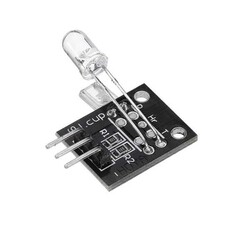
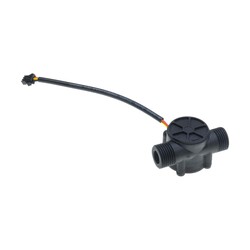
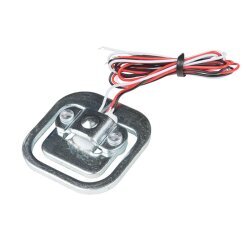
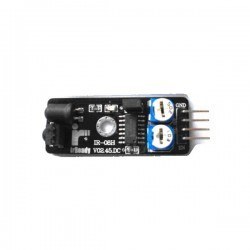
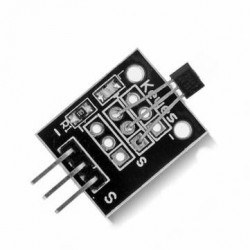
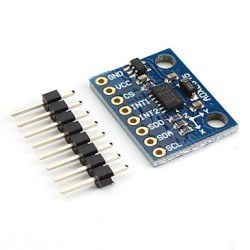
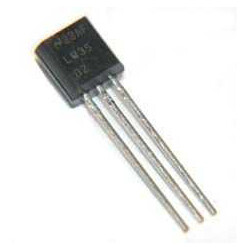
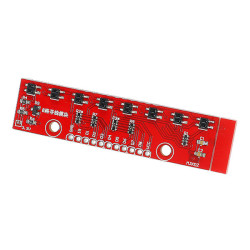
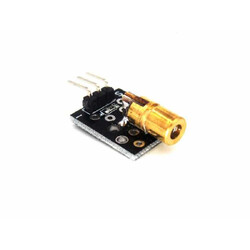
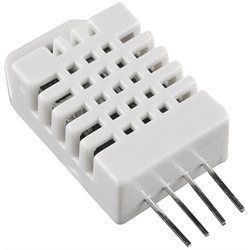
Sensor modules for Arduino are components that detect variables in the physical world and provide data to original Arduino® boards, development boards based on Arduino, or similar microcontrollers.
Modules have a wide range of uses, from smart systems to robotics projects.
Sensors that can measure different values such as temperature, light, distance, motion, sound, gas, and humidity add environmental awareness to projects.
Sensor modules for Arduino are generally offered soldered, with pins, and ready to use. This allows circuits to be set up quickly with a breadboard or jumper cables, speeding up the transition to the software stage.
They are suitable for everyone from beginner to advanced level.
Different Types of Sensor Modules
The functions of sensors used in projects based on Arduino vary according to the data they detect:
Temperature and Humidity Sensors
With sensors such as DHT11, DHT22, and SHTC3, ambient temperature and humidity can be measured to develop climate control systems or agricultural projects.
Light and Color Sensors
While LDR sensors detect ambient light, color sensors such as TCS3200 can perform RGB color analysis. They are widely used in automatic lighting systems and color recognition projects.
Distance and Motion Sensors
The HC-SR04 ultrasonic sensor is ideal for distance measurement. PIR motion sensors are used in security systems by detecting human movement.
Gas and Air Quality Sensors
Gases such as LPG, methane, and carbon monoxide can be detected with sensors such as MQ-2 and MQ-7. They are suitable for indoor air quality projects.
Water and Liquid Level Sensors
Irrigation systems and liquid monitoring projects can be built with soil moisture sensors and water level detectors.
Magnetic and Touch Sensors
Reed switches and hall effect sensors detect magnets, while capacitive touch sensors create touch detection.
Use Cases of Sensor Modules for Arduino
Sensor modules for Arduino appear in many areas:
- Smart home systems: Turning on lights by detecting motion, triggering alarms by detecting smoke
- Agricultural technologies: Automatic irrigation based on soil moisture and air temperature
- Robotics: Obstacle-avoiding robots, line-following vehicles
- Education: Teaching basic physical concepts through hands-on applications
- Industrial automation: Environment monitoring, gas leak detection, contact and touch control systems
Sensor and Module Selection Guide
By reviewing the table below, you can quickly see the most preferred components and connection protocols in beginner and intermediate-level projects:
| Component Type | Popular Model / Chip | Connection Type | Ideal Use Case |
| Distance Measurement | HC-SR04 Ultrasonic | Digital I/O | Line-following / obstacle-avoiding robot |
| Temperature and Humidity | DHT11 / DHT22 | Single-wire digital | Smart home, climate station |
| Wireless Communication | HC-06 Bluetooth | UART (TX/RX) | Remote-controlled vehicles, IoT |
| Power Control | 5V single / multi-channel relay | Digital I/O | Lamp, motor, water pump control |
| User Interaction | RFID RC522 | SPI protocol | Smart lock, card access systems |
Why Use Sensor Modules for Arduino?
- Practical setup with plug-and-play structure
- Wide range of use cases
- Suitable for hobby projects and professional systems
- Easy programmability with the Arduino® IDE
- Rich community and documentation support
Where to Buy Sensor Modules for Arduino?
Robotistan is one of the stores with the widest range of sensor modules in Türkiye.
All modules are presented with technical explanations, and with fast shipping options, you can reach the product you need in a short time.
Whether you are just starting out or working on advanced projects, you can easily find the right sensors.
Frequently Asked Questions
Do I need to solder to connect sensors and modules for Arduino to the board?
No. Most modules come with standard pin headers, either male or female ends. By using jumper cables and a breadboard, you can set up your connections with a plug-and-play approach without any soldering.
Do I have to write code to run sensors and modules?
Yes. You need to write code in the Arduino IDE to convert the physical data read by sensors, such as voltage changes, into meaningful information. Ready-made libraries are available for most complex sensors. For modules such as RFID or MPU6050, you can add these libraries to the IDE and read data with just a few lines of code.
I am not using an original Arduino board; do these modules work with boards based on Arduino?
Yes, they do. The sensors and modules on our page use standard electrical communication protocols. They can be used with boards based on Arduino or original Arduino® boards that support I2C, SPI, UART, analog, and digital reading.