 EN
EN


Brand
:
Arduino
Product Code
:
11623
Out Of Stock
Notify me when its in stock
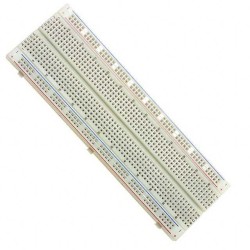
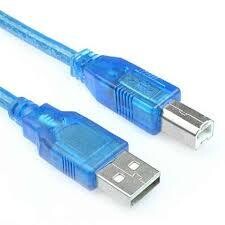
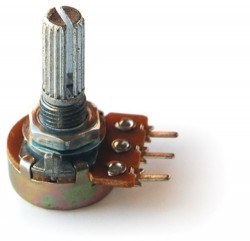
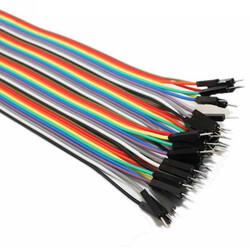
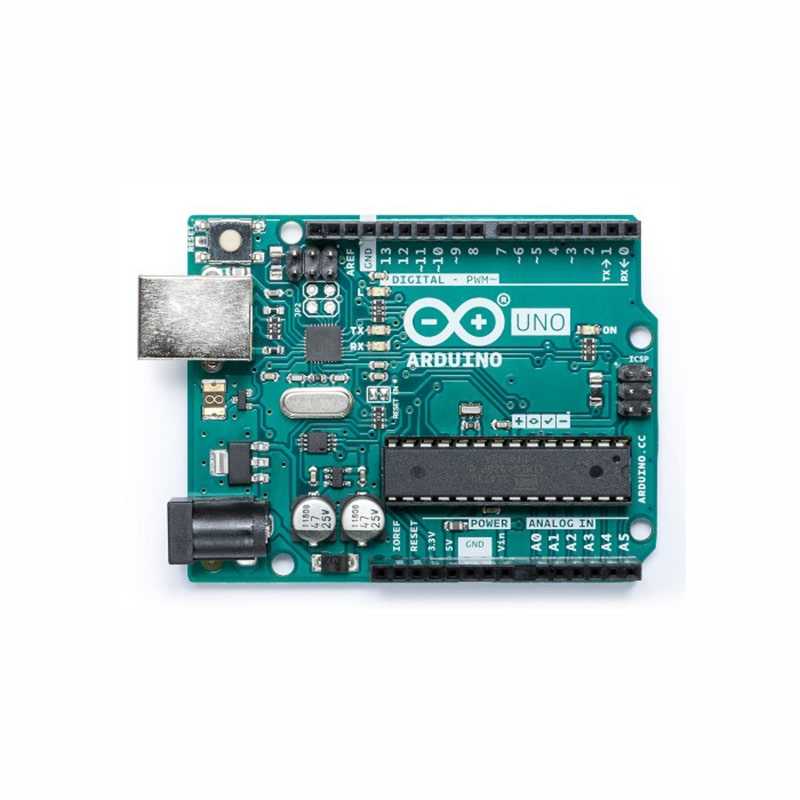
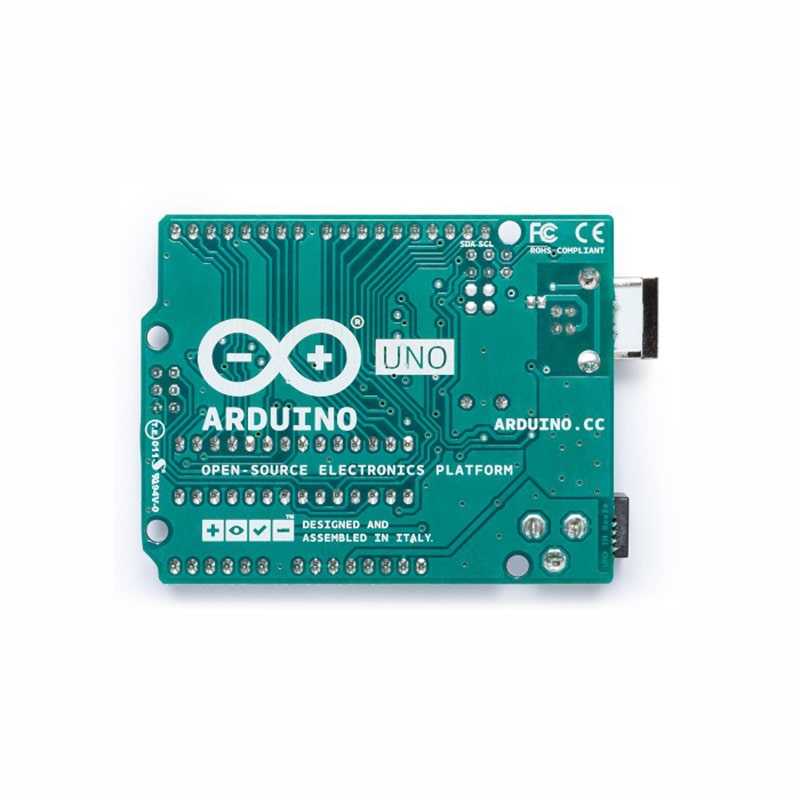
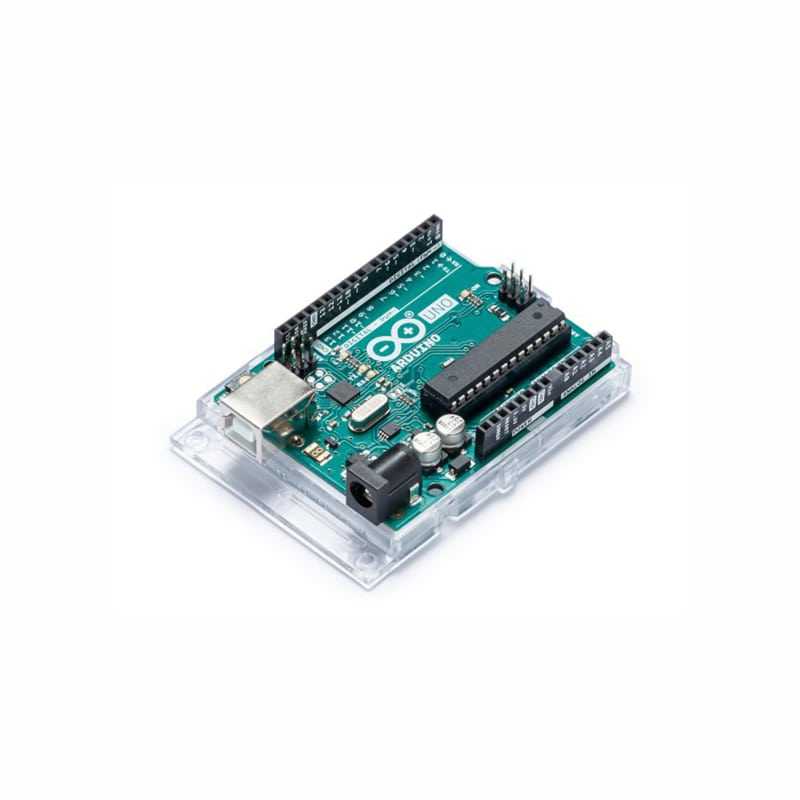
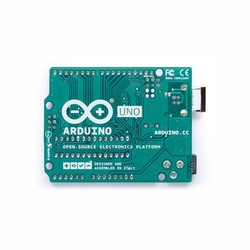
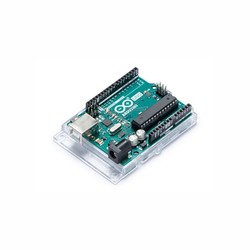
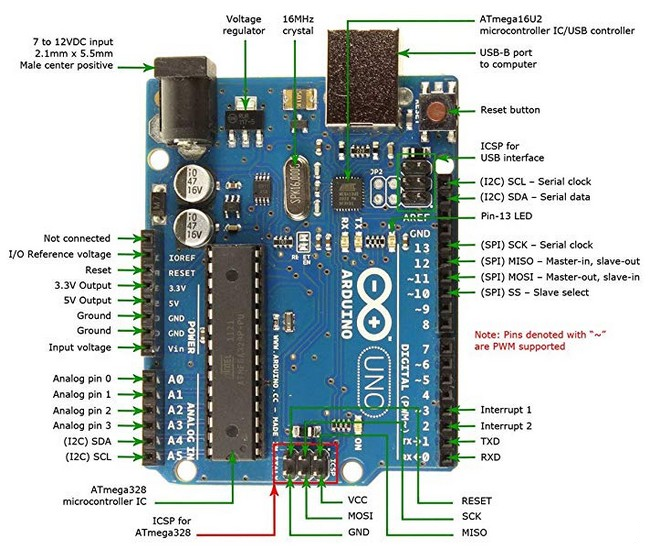
Arduino® Uno R3 is a microcontroller board based on the ATmega328P. The board features 14 digital I/O pins, 6 of which can be used as PWM outputs, 6 analog input pins, a 16 MHz crystal oscillator, a USB socket, a power jack, an ICSP connector, and a reset button. It includes all the essential components needed for microcontroller operation. The board can be easily connected to a computer via USB or used with an external adapter or battery.
Arduino® Uno R3 uses an ATmega16U2 USB-to-serial converter chip for programming and communication with a computer via USB. The Rev.2 model used the ATmega8U2 chip.
Arduino.cc introduced several improvements in Rev.3 compared with Rev.2 to make the board more useful and stable. The Arduino® Uno board has become a reference model for other Arduino® boards in both software and hardware. You can view the historical development of Arduino® boards from the hardware index.
Features:
Power:
Arduino® Uno R3 can be powered via USB or an external power source. The external power source can be an AC-DC adapter or a battery. When powering the board with an external adapter or battery, a 2.1 mm center-positive connector is recommended. The battery can also be connected to the board through the GND and Vin pins.
The board does not need to stay connected to the USB port during operation. It can also be powered only with an adapter or battery, allowing it to work independently from the computer.
6-20V can be used as an external supply range, but these are the operating limits for Arduino® Uno R3. The recommended supply voltage is between 7-12V. The regulator on the board may not operate stably at voltages below 7V. Likewise, it may overheat at voltages above 12V.
The operating voltage of the Arduino® Uno R3 microcontroller is 5V. If the board is supplied through the Vin pin or the power jack with a voltage between 7V and 12V, this voltage is regulated and distributed to the board by the onboard regulator.
Power pins are as follows:
Memory:
ATmega328P has 32 KB Flash memory, 0.5 KB of which is used by the bootloader, 2 KB SRAM, and 1 KB EEPROM.
Input and Output:
All 14 digital pins on the Arduino® Uno R3 board can be configured as either input or output. There are also 6 analog input pins on the board. These analog pins can also be configured as digital input or output. In total, the board has 20 digital input/output pins. The logic level of these pins is 5V. Each pin can provide up to 40 mA output current. In addition, some of these pins have special functions, listed below:
You can view the pin mapping page from this link.
Communication:
There are several options for Arduino® Uno R3 to communicate with another Arduino® board or microcontroller. ATmega328P provides UART TTL (5V) serial communication through its 0 (RX) and 1 (TX) pins. ATmega16U2 connects the board to a computer by opening a virtual serial COM port and enables serial communication. Thanks to the serial monitor in the Arduino® IDE, you can send and receive text-based information. RX and TX LEDs on the board blink while the board is communicating via USB.
There is one hardware serial port on the Uno board, but this number can be increased in software with the SoftwareSerial library.
ATmega328P also provides I2C and SPI ports. Wire library can be used for I2C, and the SPI library can be used for SPI communication.
Programming:
Arduino® UNO board can be programmed with the Arduino® software (Arduino® IDE). You can start programming by choosing Arduino® UNO from the Tools > Board menu in Arduino® IDE. For details, you can view the reference and basic functions pages. ATmega328P on the Arduino® UNO board comes with pre-installed software called a bootloader. Thanks to this, it is not necessary to use an external programming device to program Arduino® UNO. Communication is provided through the original STK500 protocol.
The board can also be programmed through the ICSP headers using an ISP programmer instead of the bootloader software (Reference).
Like the bootloader software, the source code in the ATmega16U2 is open source. This software is called the DFU bootloader. This software can be re-uploaded using Atmel's FLIP software (Windows) or DFU programmer (Mac OS X and Linux), or it can be reprogrammed using the ATmega16U2 ISP interface. Both ATmega328P and ATmega16U2 come with current firmware revisions, so it is not necessary to change these codes.
USB Overcurrent Protection:
Arduino® Uno board has a resettable overcurrent protection component. Even if your computer has its own protection for USB ports, the protector on the board is designed to break the connection if more than 500 mA is drawn. If this current level is reached, the protector keeps the connection open-circuit until the short circuit or overload condition disappears.
If you are not sure which Arduino® board to choose, you can contact us by filling out the form.
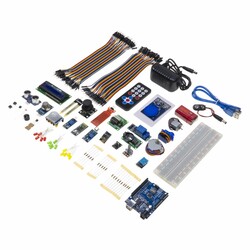
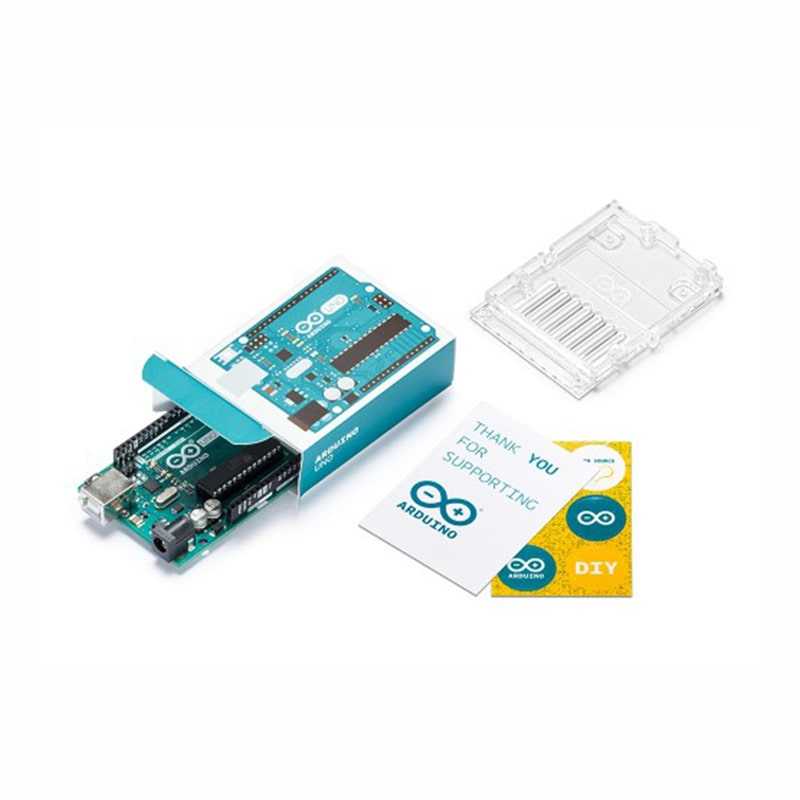
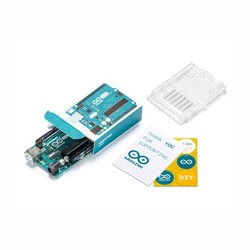
Note: The package includes only the Arduino® Uno R3 board, not a USB cable or external adapter. You can view the Combo Kit to buy them together at a better price.
Documents: