 EN
EN


Brand
:
Robotistan
Product Code
:
13958
Out Of Stock
Notify me when its in stock
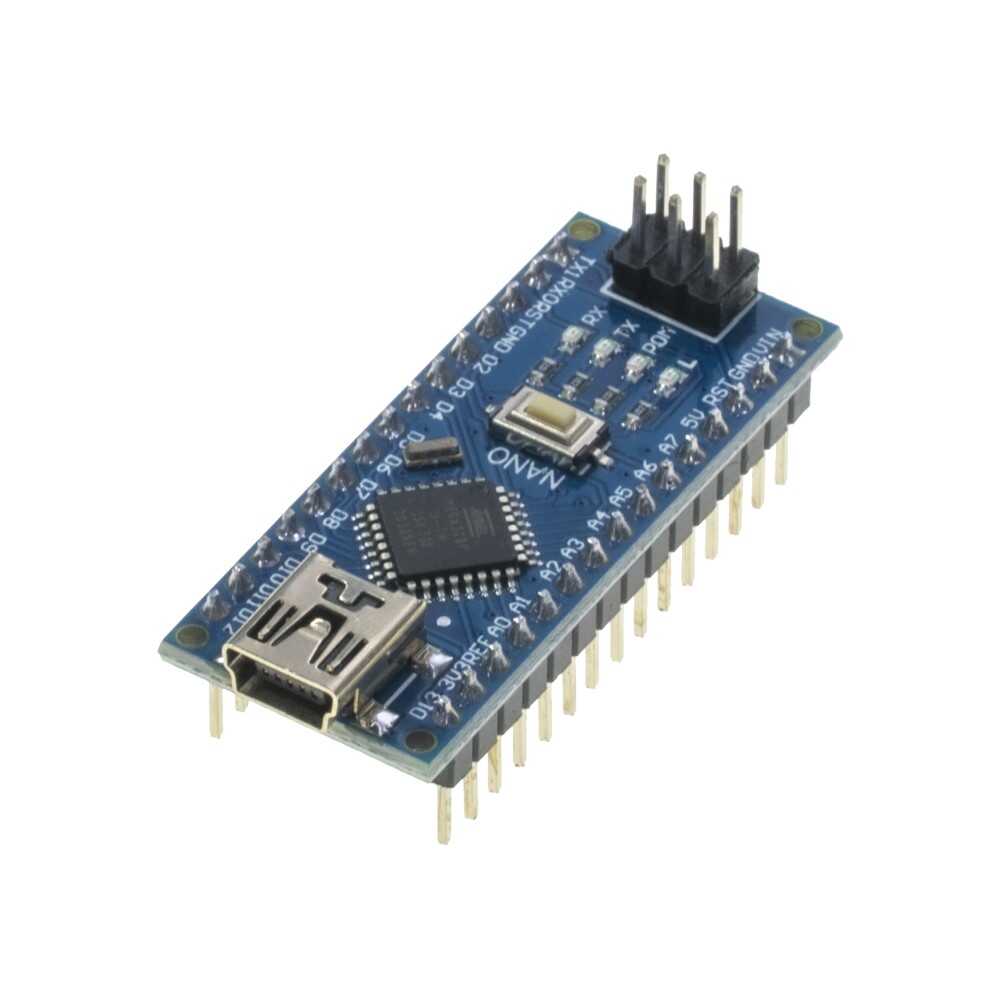
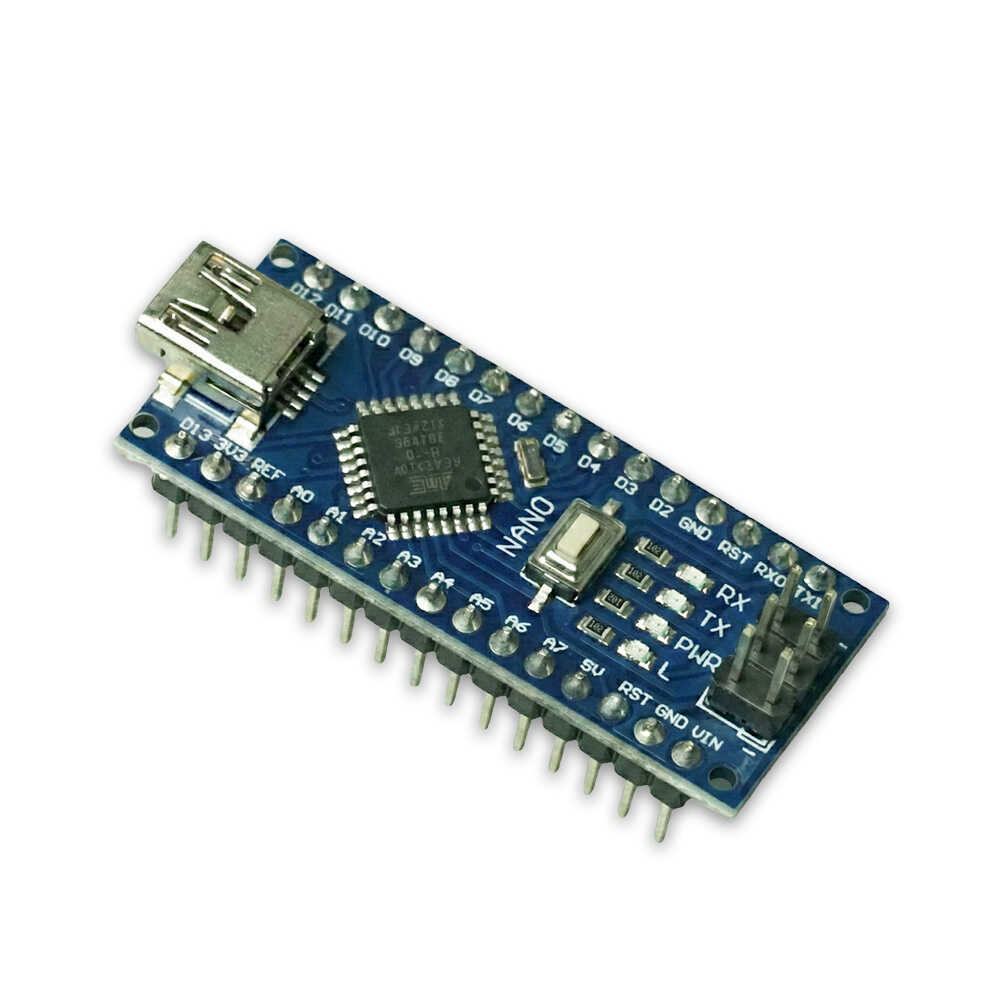
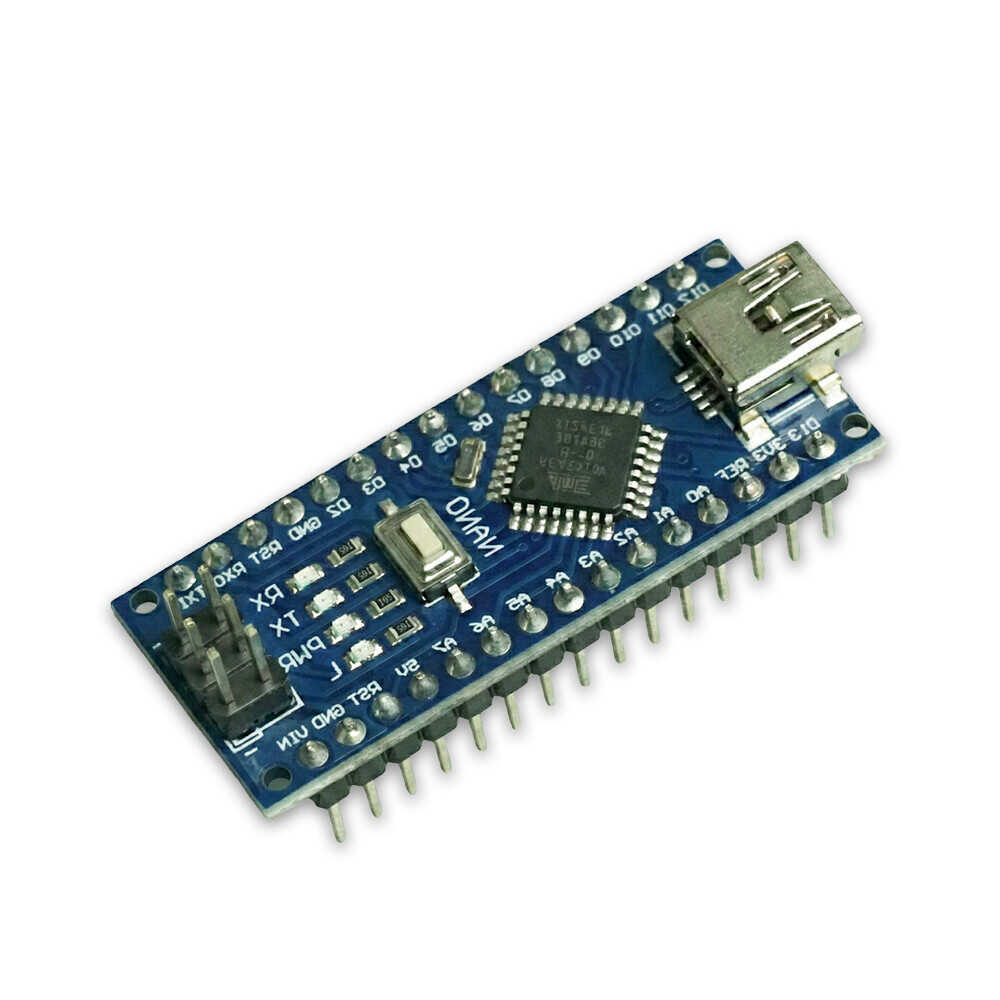
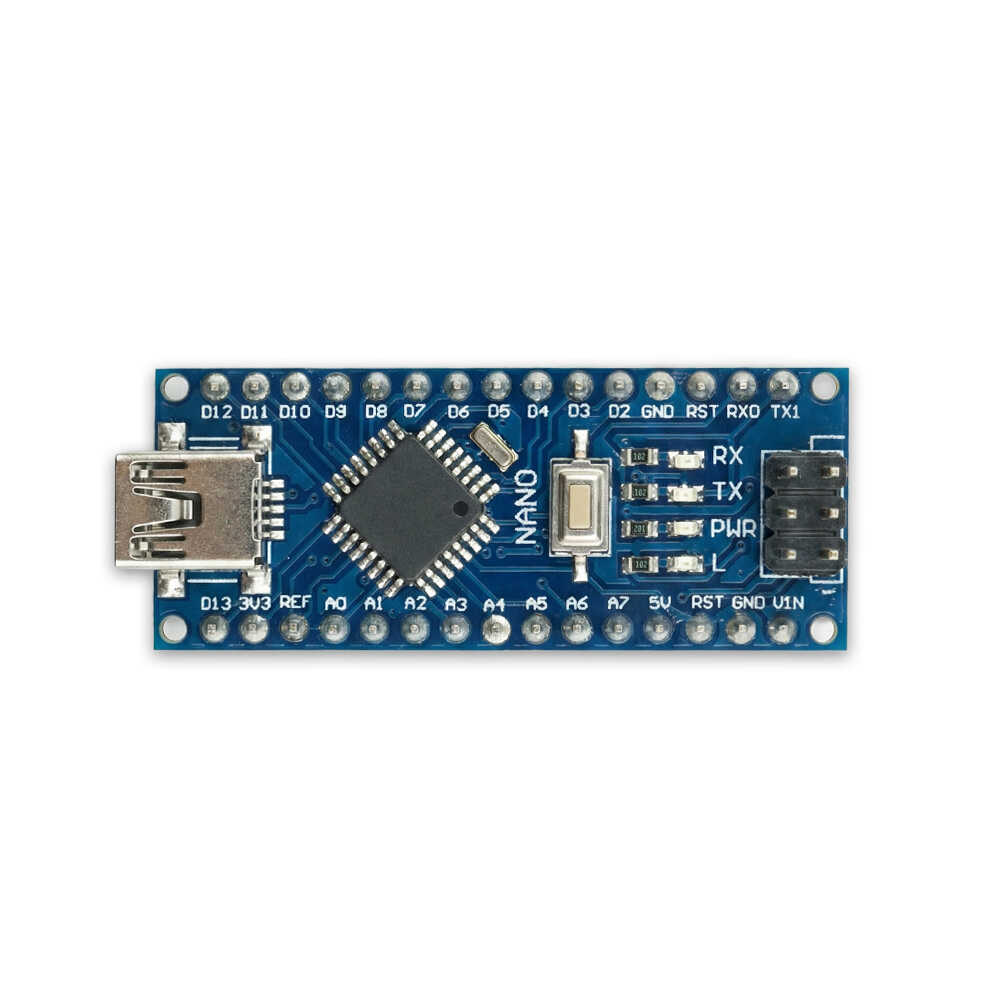
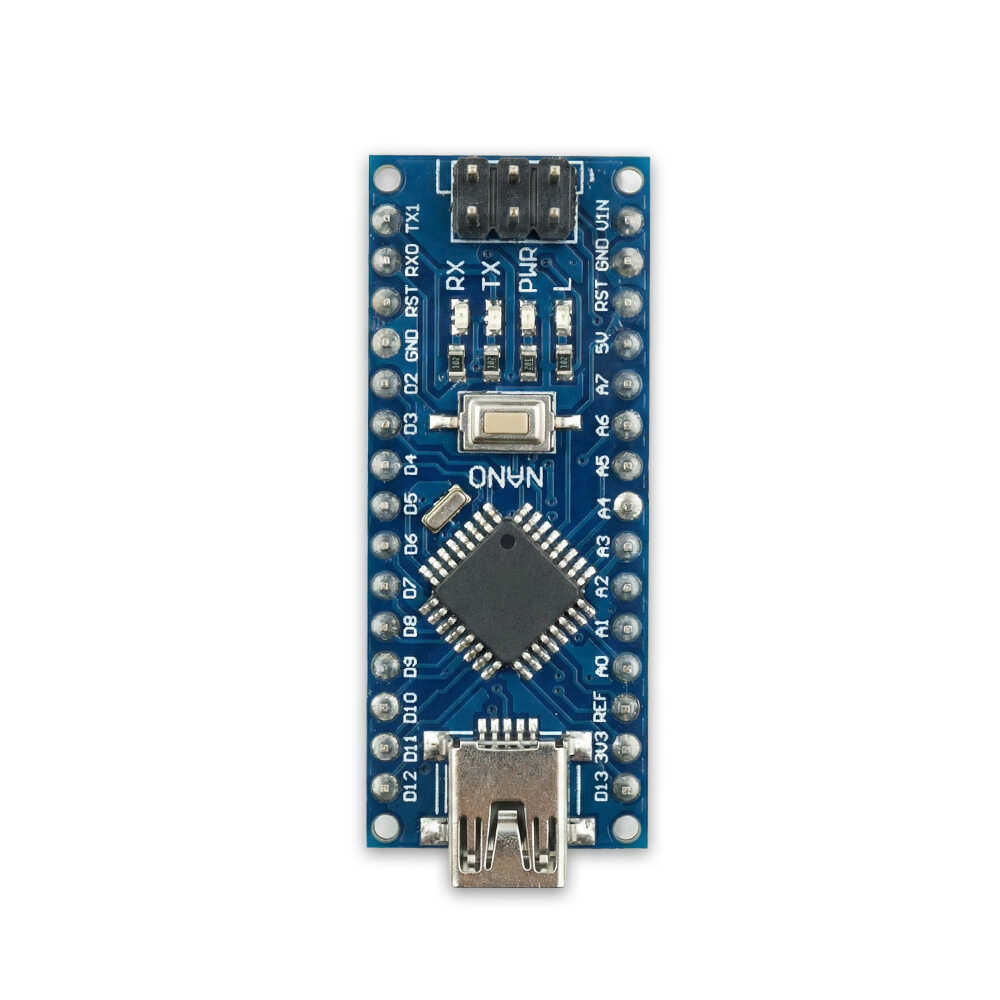
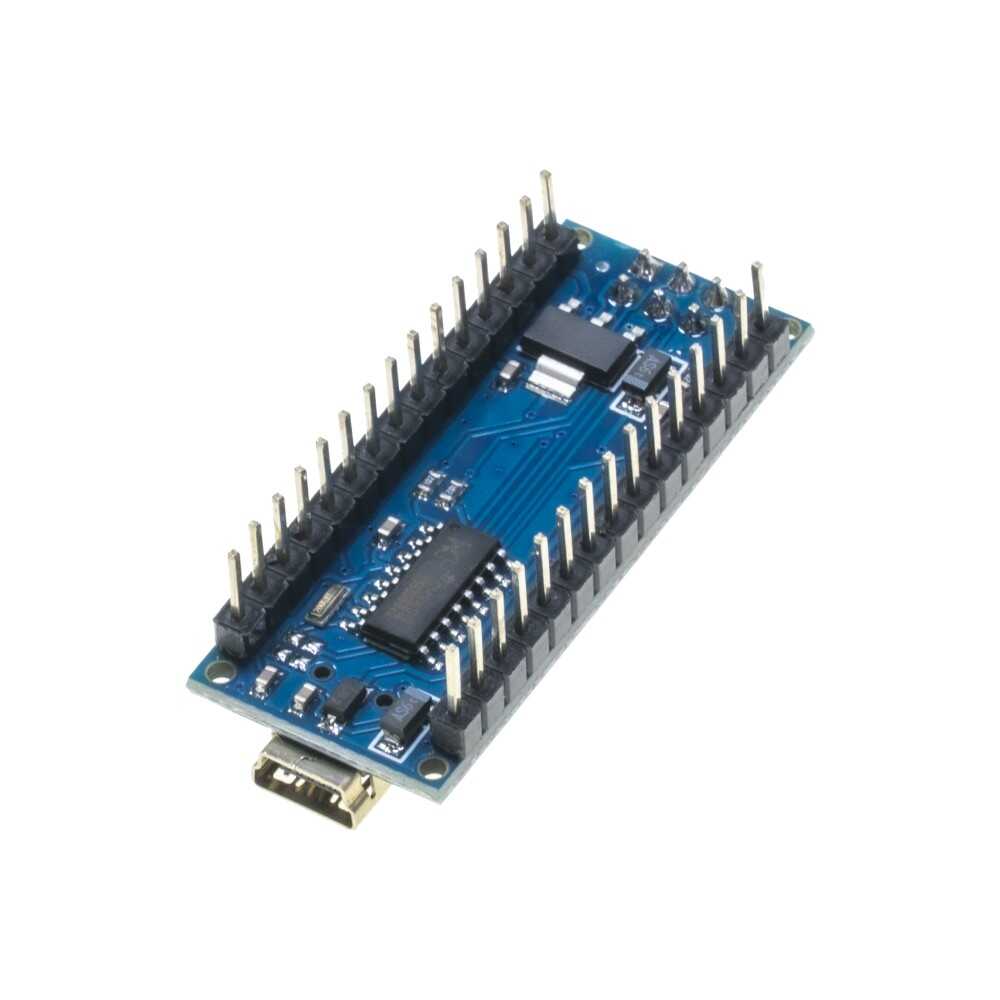
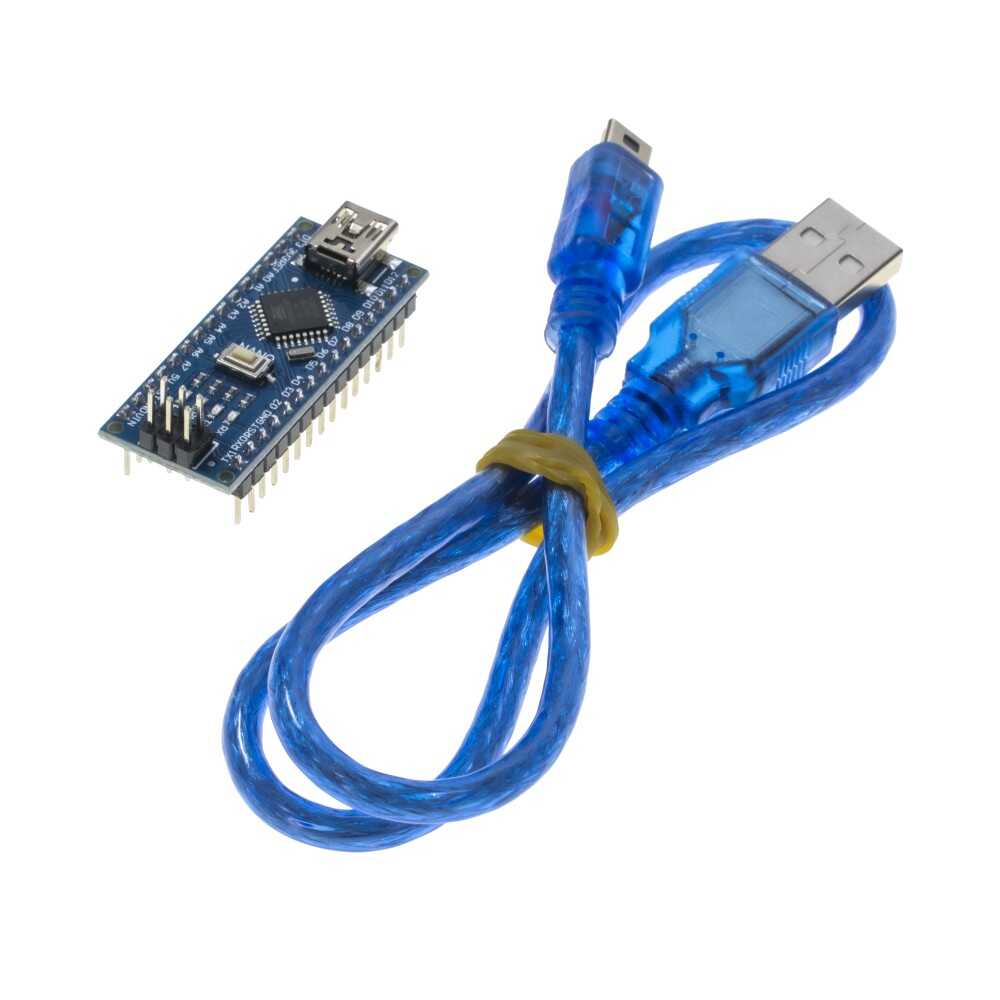
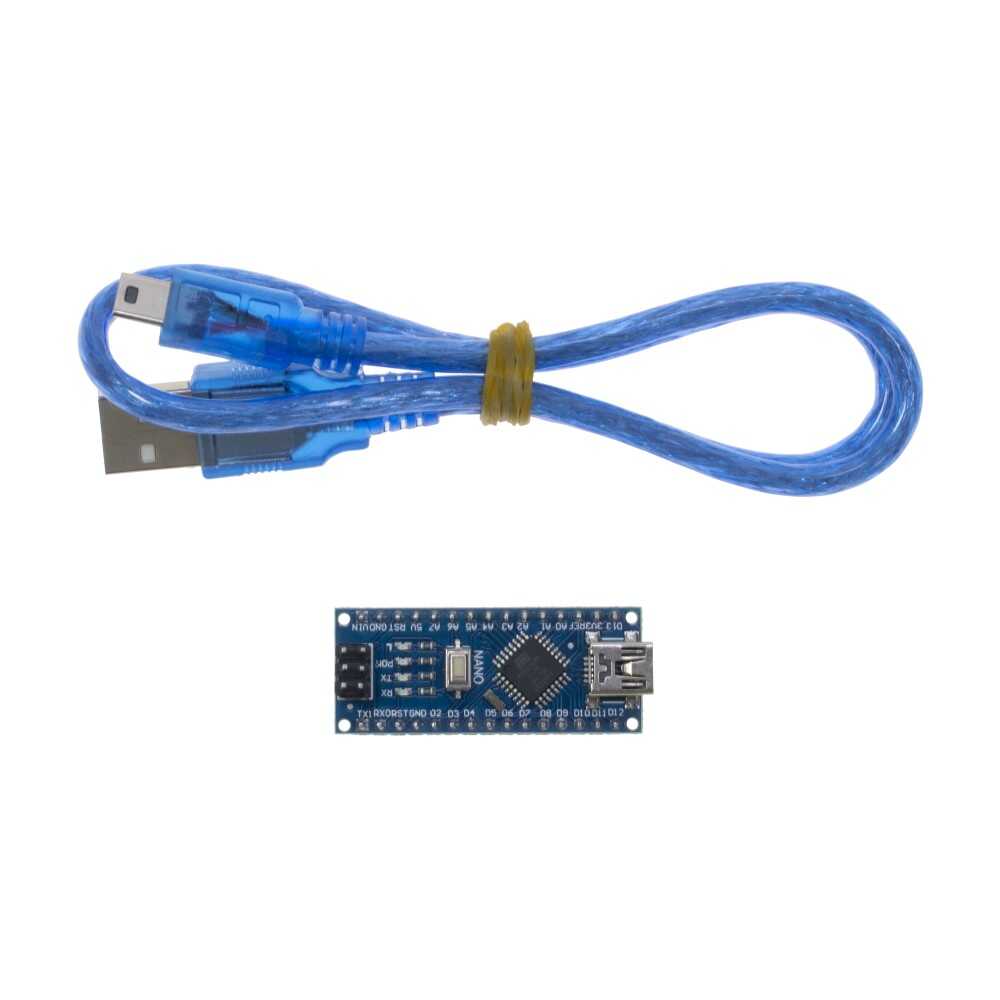
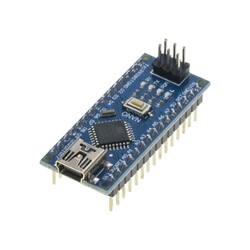
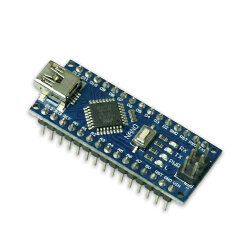
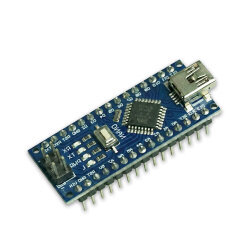
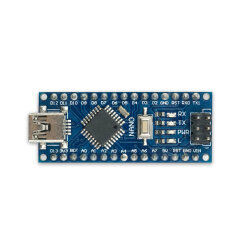
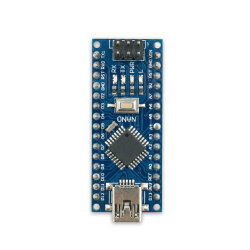
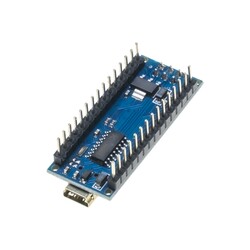
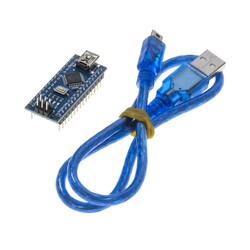
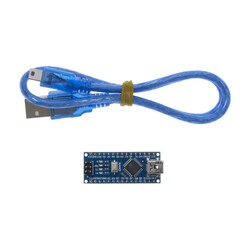
Nano development board compatible with Arduino is a development board fully compatible with the pin layout and features of the popular Arduino® Nano design.
The main difference from the original hardware is the change in the USB-to-Serial converter IC used.
Thanks to this, you can use the Nano development board (CH340) in your projects at a much more economical price.
As an alternative, you can also check out the Micro Development Board Compatible with Arduino, which is another model of a similar size.
In these compatible development boards, the CH340 USB-to-Serial Converter IC is used instead of the FTDI or 16U2 chips found in the original design.
If you are looking for a product closer to the IC structure of the original design, you can also check our Nano 328 FT232 Development Board Compatible with Arduino - (with USB Cable) product page.

The highly popular CH340 chip works seamlessly, and its drivers are generally installed automatically on Windows 8+ and Linux systems.
However, if you are using Windows 7 or macOS, you may need to install the driver manually.
You can use the following links to install the appropriate drivers for your system:
For hardware featuring the older version design manufactured before June 2018, a specific setting must be made via the Arduino® IDE when selecting the board type.
By selecting Tools > Processor > ATmega328P (Old Bootloader), the code uploading process can be carried out smoothly.

If you are unfamiliar with the Arduino® ecosystem, you can check out our Lessons for Arduino® series on our blog.