
 EN
EN


Brand
:
tinylab 3d
Product Code
:
22529
Baskı Teknolojisi
:
FDM Hammade
:
PLA Çap
:
1.75mm Renk
:
Beyaz Hotend Sıcaklığı
:
190-230C Tabla Sıcaklığı
:
0-60C Ağırlık
:
1Kg 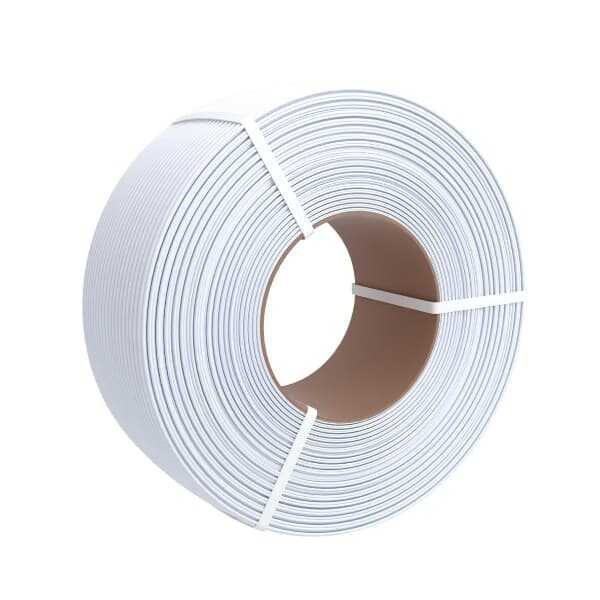
Out Of Stock
Notify me when its in stockMeet the tinylab Eco Filament Series!
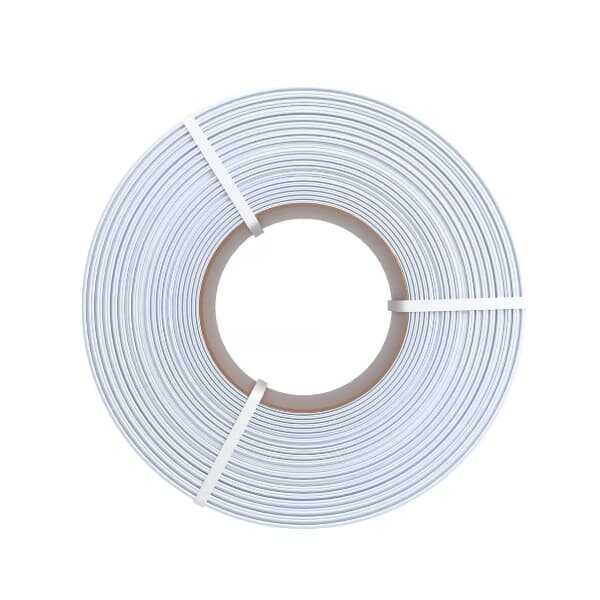
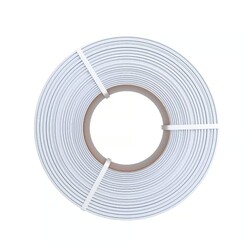
tinylab Eco filaments are an innovative technology offering an eco-friendly suite of materials for 3D printers. Generally produced with low cost and a more environmentally friendly production logic, these filaments offer a more sustainable, eco-conscious, and budget-friendly option compared to traditional filaments. The material quality of these filaments is identical to all other tinylab brand filaments. This reduces the carbon footprint during the production and usage phases. The only difference of Eco filaments from others is that they are spool-less. These materials are an ideal option for environmentally conscious users and have become a significant choice for the 3D printing community embracing sustainability principles.
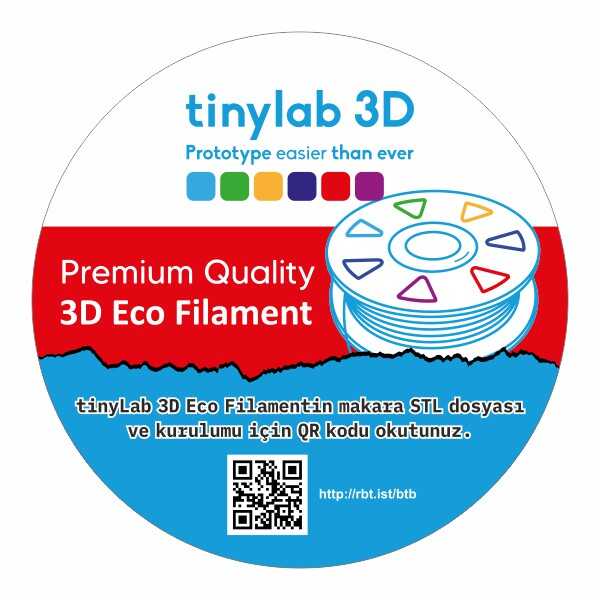
Access the .stl file for the spool compatible with all machines and the spool installation guide for tinylab Eco filament here.
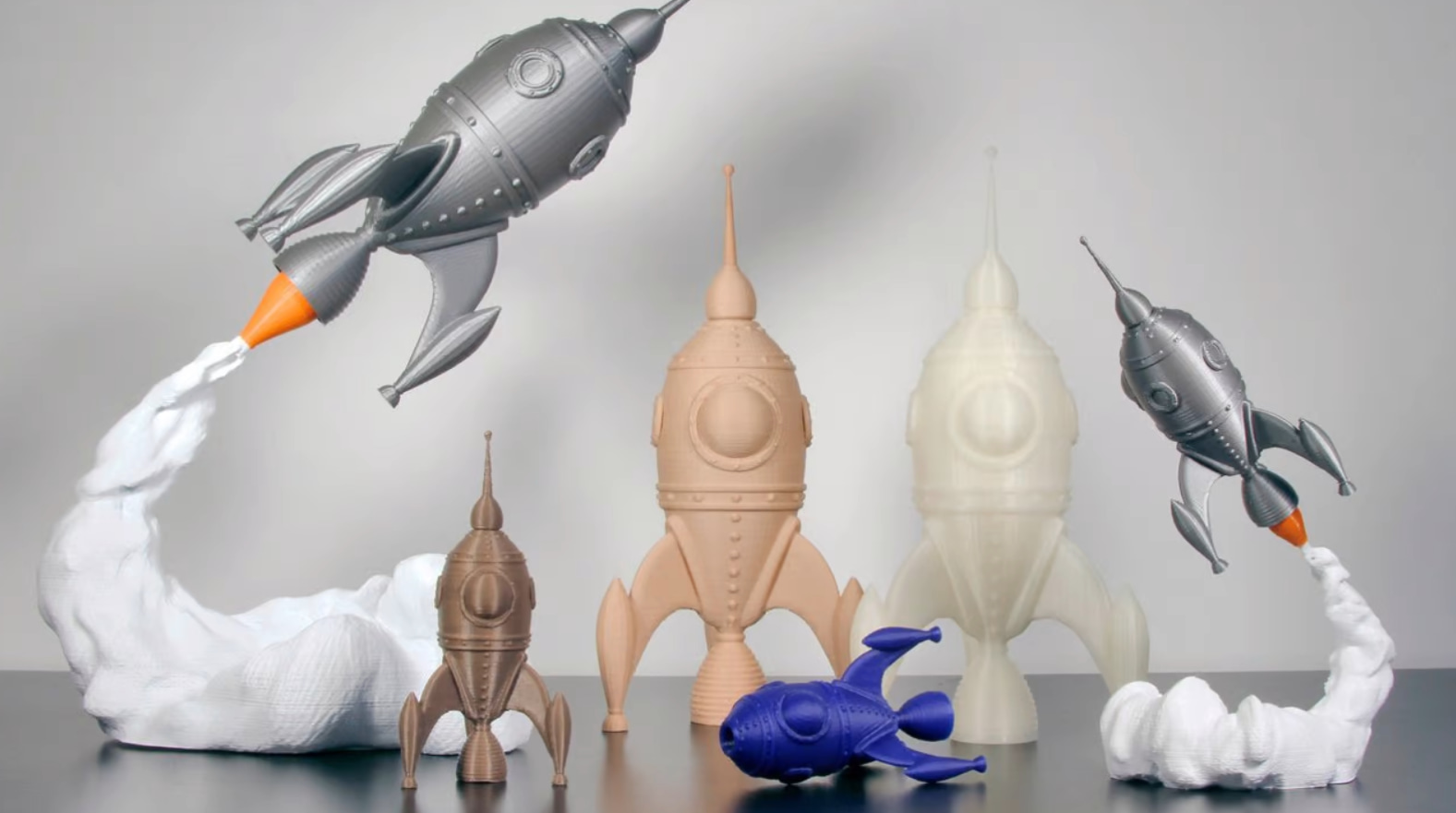
3D printers are a technology that attracts intense interest today and has started to enter almost every home. With the market introduction of affordable 3D printer models, it has become easier for people to access such devices. TinyLab integrates its extensive knowledge in the field of materials into additive manufacturing technologies to produce high-performance filaments manufactured with high precision. FDM 3D printers generally use PLA or ABS consumables for printing. With TinyLab brand high-performance PLA filaments, you can achieve maximum quality prints at very high speeds from existing 3D printers on the market. These PLA filaments developed by TinyLab are among the most trusted and preferred consumables in European and American markets. This white PLA filament is one of the TinyLab brand filament varieties.
PLA filaments are generally known to melt between 190-220°C. However, every type of filament has an optimal temperature value where it provides the best printing efficiency. Printing at this temperature value can make a visible difference in print quality.
When you open a new filament package, finding this temperature first will ensure that your subsequent prints are of higher quality. You can find the optimal temperature value by printing a Temp Tower (temperature tower). A Temp Tower is a structure consisting of tiers. While preparing the print gcode file, each tier is set to be printed with a different temperature value. Then, each tier is examined individually, and the temperature value where the print quality looks the best is selected. This value represents the optimal printing temperature for the filament you purchased.

 Printing Temperature No Special Hot-End Required Ideal Value: 205-225°C
|
 Print at Your Desired Bed Temperature Ideal Value: 60-80°C
|
 No Nozzle Clogging Even During Long Use Ideal: 0.4mm Brass Nozzle
|
 Maximum Durability Due to Production Method Recommended: 100% Cooling Speed |
 No Drying Required Maximum value only when necessary |
 Wide Area of Application Suitable for Every Type of Printer
Open and Closed |
| PLA | ABS | PETG | TPU | WOOD |
| Raw Material: Corn Starch - Sugar Cane | Raw Material: Acrylonitrile Butadiene Styrene | Raw Material: Polyethylene Terephthalate - Glycol | Raw Material: Thermoplastic Polyurethane | Raw Material: PLA + Wood |
| Hardness: ★★★★ | Hardness: ★★★★★ | Hardness: ★★★★ | Hardness: ★ | Hardness: ★★★★ |
| Flexibility: ★ | Flexibility: - | Flexibility: ★ | Flexibility: ★★★★★ | Flexibility: ★ |
| Durability: ★★★★ | Durability: ★★★★★ | Durability: ★★★ | Durability: ★★★★★ | Durability: ★★★★ |
| Print Temp: 205°C - 225°C | Print Temp: 220°C - 255°C | Print Temp: 230°C - 250°C | Print Temp: 210°C - 230°C | Print Temp: 195°C - 220°C |
| Bed Temp: 60°C - 80°C | Bed Temp: 80°C - 100°C | Bed Temp: 0°C - 70°C | Bed Temp: 40°C - 50°C | Bed Temp: 40°C - 50°C |
| Soluble: No | Soluble: Surface can be treated with Acetone | Soluble: No | Soluble: No | Soluble: No |
TINYLAB✓ High Print Quality ✓ Ease of Printing ✓ Detailed Printing Capability ✓ Premium Color Range ✓ Impact Resistance ✓ Smooth Layer Adhesion ✓ Heat Resistance |
 |
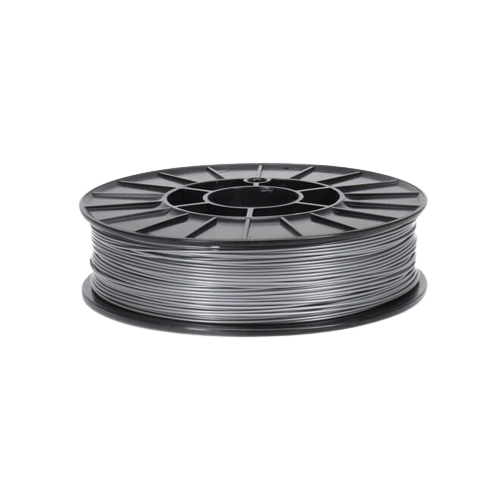
1.75 mm Silver PLA
|
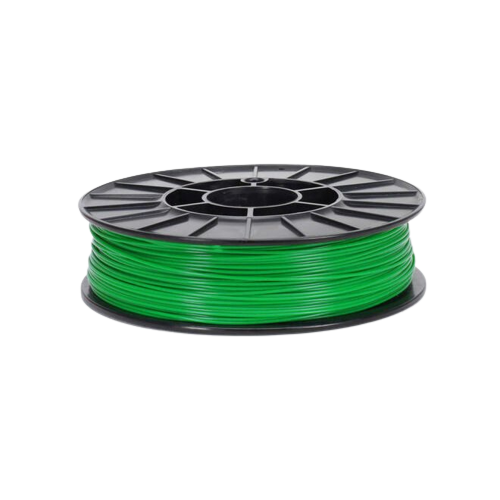 1.75 mm Light Green PLA
|
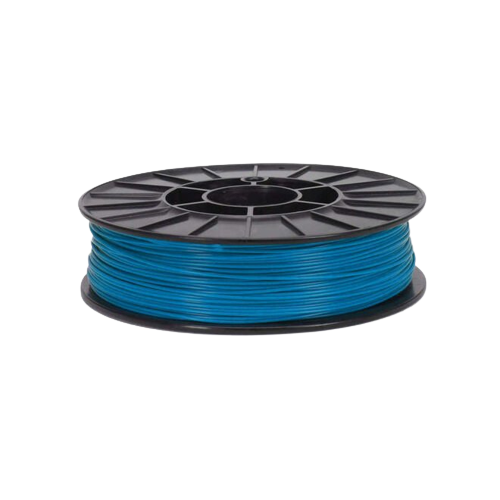 1.75 mm Light Blue PLA
|
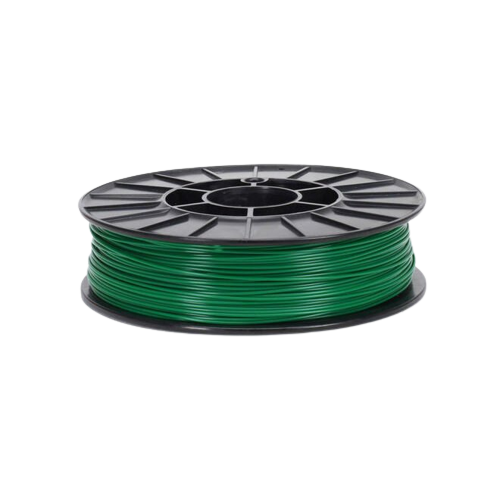 1.75 mm Dark Green PLA
|
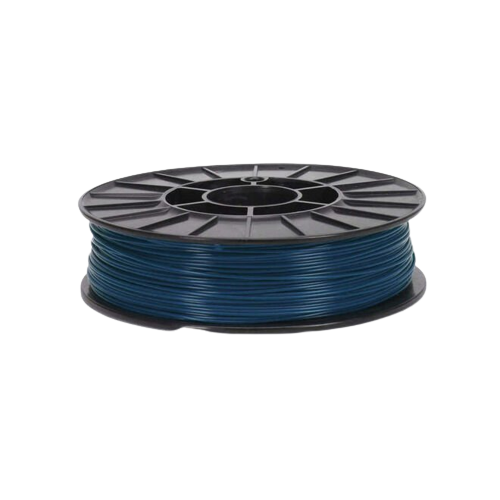 1.75 mm Dark Blue PLA
|
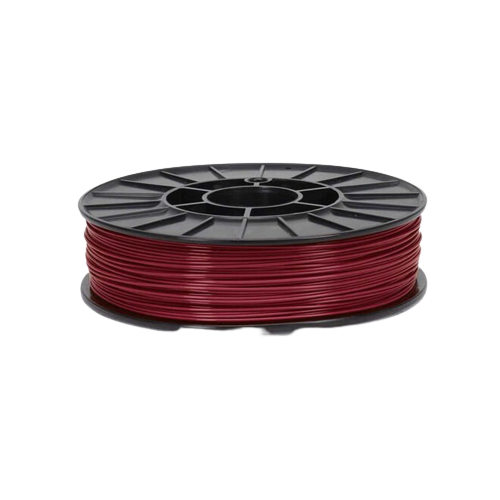 1.75 mm Burgundy PLA
|
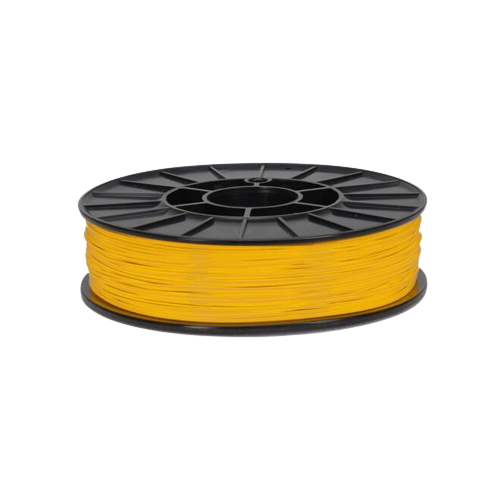 1.75 mm Yellow PLA
|
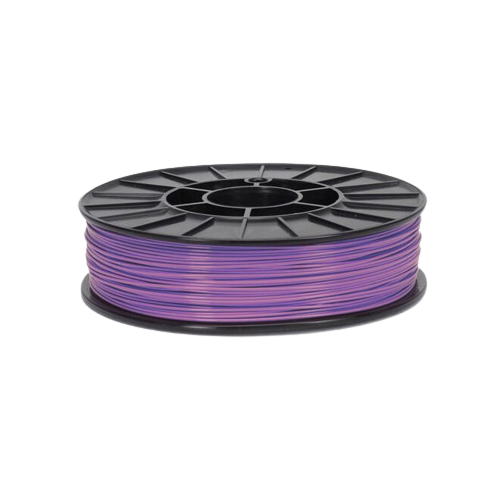 1.75 mm Purple PLA
|
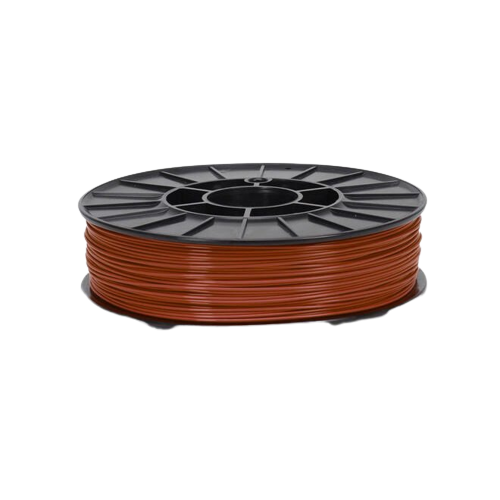 1.75 mm Brown PLA
|
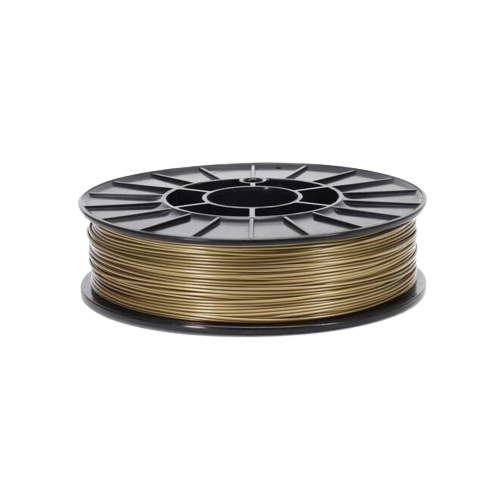 1.75 mm Gold PLA
|
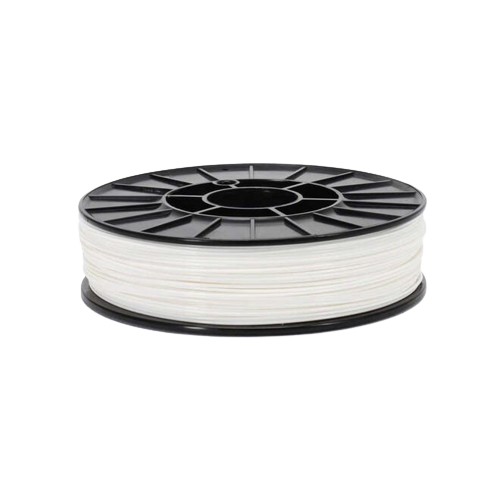 1.75 mm White PLA 500gr
|
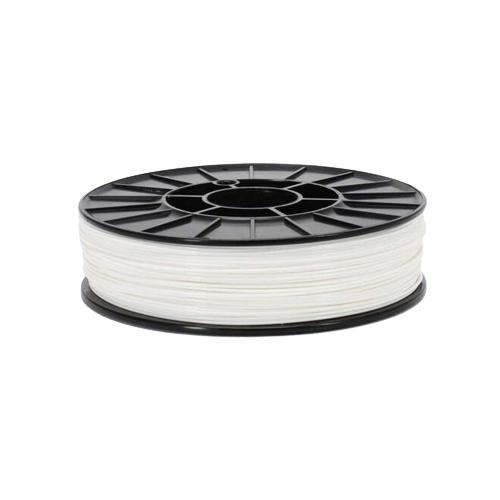 1.75 mm White PLA
|
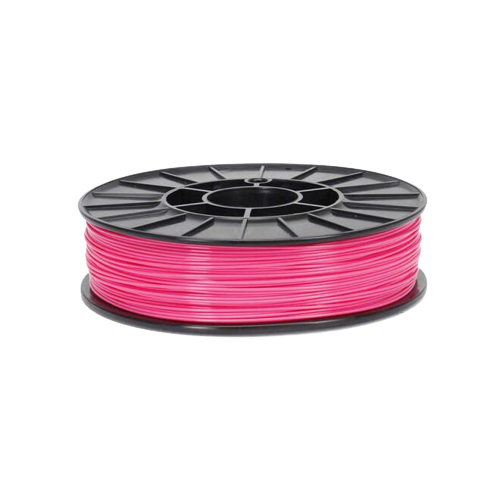 1.75 mm Pink PLA
|
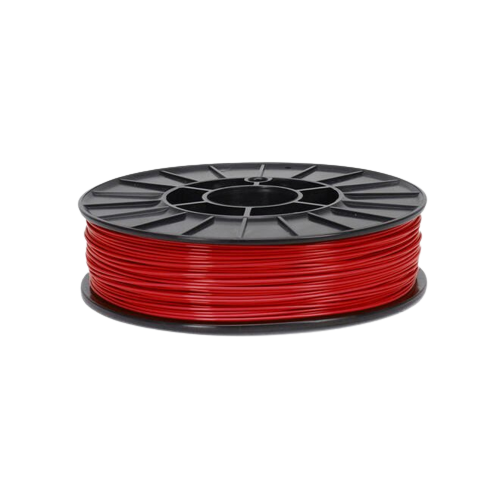 1.75 mm Red PLA
|
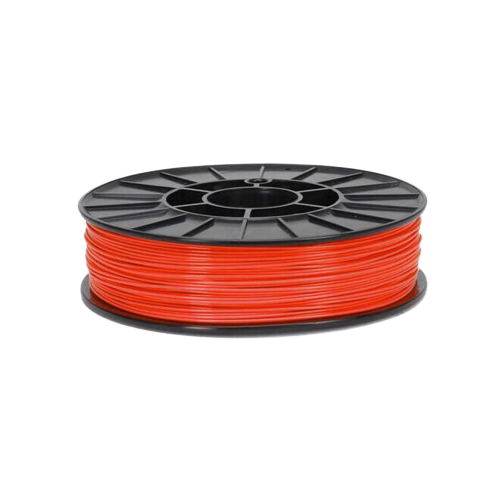 1.75 mm Orange PLA
|
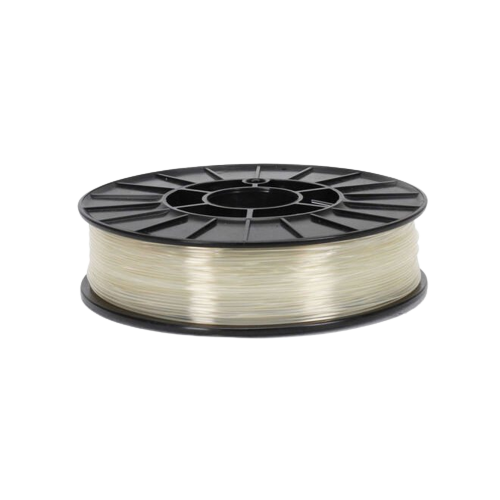 1.75 mm Clear(Natural) PLA
|
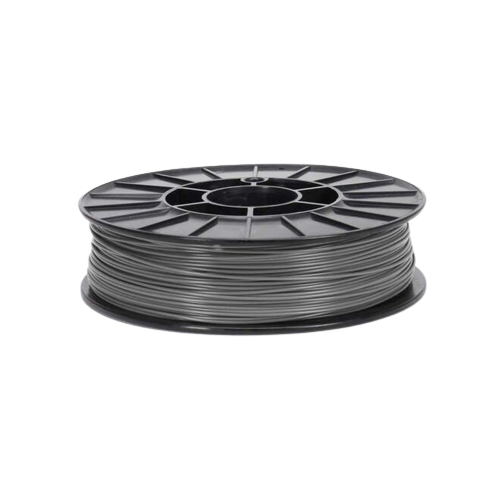 1.75 mm Grey PLA
|
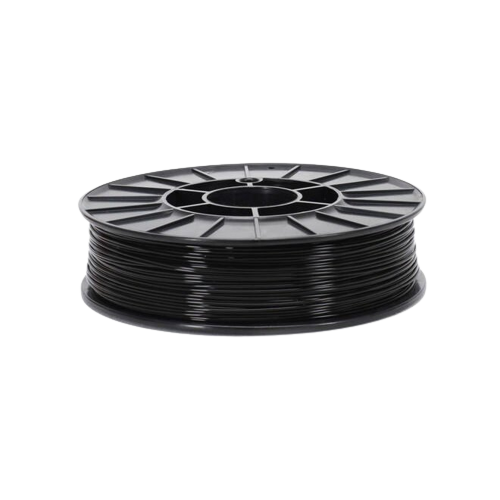 1.75 mm Black PLA
|