
 TR
TR


-
{{ CAT. NAME }}
{{ FILTERS.VARIANTS.TYPE1_NAME }}
{{ FILTERS.VARIANTS.TYPE2_NAME }}
Marka
Model
{{ FILTER.NAME }}
Fiyat
Arduino için Eğitim Kitapları ve Kaynakları
İnternetteki bilgi kirliliğinde kaybolmadan, temel elektronikten ileri seviye robotik projelere kadar her adımı uzmanlardan öğrenmenizi sağlayacak uygulamalı eğitim kitaplarını keşfedin.
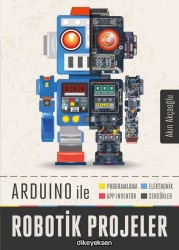
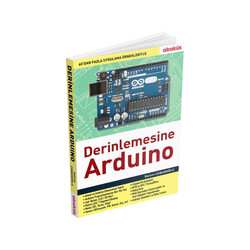
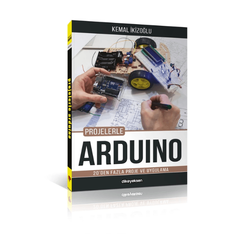

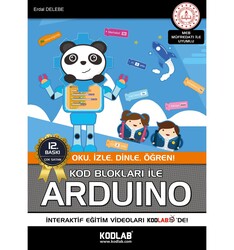
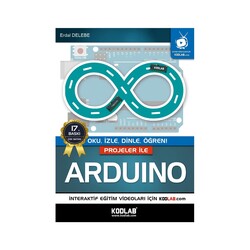
Teoriden Pratiğe: Neden Basılı Bir Eğitim Kitabı Almalısınız?
Günümüzde internette sayısız kodlama videosu ve blog yazısı bulunsa da bu içerikler genellikle dağınıktır ve yeni başlayanlar için ciddi bir bilgi kirliliği yaratır.
Nereden başlayacağınızı ve hangi sırayla ilerleyeceğinizi bilmek, donanım öğrenme sürecinin en kritik adımlarından biridir.
Arduino için eğitim kitapları; alanında uzman mühendisler, akademisyenler ve makerlar tarafından pedagojik bir sıraya göre, kolaydan zora hazırlanmış başvuru kaynaklarıdır.
Bu kitaplar sayesinde C/C++ programlama dilinin sözdizimini, elektronik devre okuma mantığını ve sensör entegrasyonlarını belli bir müfredat disiplini içinde, sağlam temeller üzerine kurarak öğrenebilirsiniz.
Seviyenize En Uygun Kitabı Seçin
1. Çocuklar ve Eğitmenler İçin: Blok Tabanlı Kodlama Kaynakları
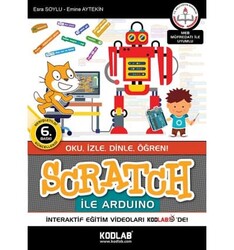
Kodlama dünyasına ilk kez adım atacak çocuklar ve onlara rehberlik edecek ebeveynler veya öğretmenler için, karmaşık metin kodları yerine Scratch veya mBlock gibi görsel blokların kullanıldığı kitaplar idealdir.
Bu kitaplar, algoritma mantığını oyunlaştırarak öğretir ve donanım korkusunu ortadan kaldırır.
2. Temel ve Orta Seviye: Uygulamalı Proje Kitapları
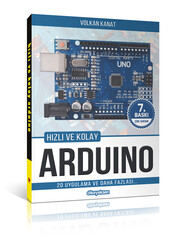
Elektroniğe sıfırdan başlayan hobiciler ve öğrenciler için temel bileşenleri, direnç, LED ve buton gibi parçaları tanıtarak başlayan; bölüm sonlarında akıllı ev veya park sensörü gibi uygulamalı projeler yaptıran adım adım başvuru kılavuzlarıdır.
3. İleri Seviye: Robotik ve Nesnelerin İnterneti
Temel konuları aştıysanız ve C/C++ dillerinde derinleşmek, otonom robot kolları kodlamak veya cihazlarınızı internete bağlamak istiyorsanız, ileri seviye algoritma ve donanım entegrasyonu anlatan mühendislik odaklı kitaplara yönelebilirsiniz.
Eğitim Materyalleri Karşılaştırma Rehberi
Hangi kaynağın sizin veya çocuğunuzun öğrenme stiline uygun olduğunu aşağıdaki tablodan belirleyebilirsiniz:
| Kitap İçerik Türü | Kullanılan Yazılım / Dil | Ön Bilgi İhtiyacı | Kimler İçin Uygun? |
| Çocuklar İçin Kodlama | mBlock, Scratch, blok tabanlı kodlama | Sıfır bilgi | 8-15 yaş, ilkokul ve ortaokul öğrencileri |
| Adım Adım Başlangıç | C/C++ ve IDE kullanımı | Sıfır bilgi | Hobiciler, lise ve üniversite öğrencileri |
| Uygulamalı Projeler | Gelişmiş kütüphaneler | Temel algoritma | Pratik yapmak isteyen makerlar |
| Robotik ve İleri Seviye | C/C++, Python | Temel elektronik | Mühendislik öğrencileri, geliştiriciler |
Okuduklarınızı Hayata Geçirin: Robotistan Eğitim Ekosistemi
Rakiplerimiz genellikle bu kitapları satıp süreci orada bitirir. Ancak Robotistan olarak biliyoruz ki elektronik ve kodlama sadece kitap okuyarak öğrenilmez, pratik gerektirir.
Kitaplarda gördüğünüz devreleri gerçek dünyada inşa etmek ve kodlarınızı test etmek için, hiçbir parça arama zahmetine girmeden doğrudan Arduino tabanlı eğitim setleri kategorimizdeki donanımları tercih edebilirsiniz.
Setler, kitaplardaki müfredatların tamamına yakını ile donanımsal olarak uyumludur.
Elinizde halihazırda bileşenler var ancak kitabın ilerleyen bölümlerindeki ana kart eksikse, bütçe dostu Arduino tabanlı geliştirme kartları sayfamızdan projenizin kalbini temin edebilirsiniz.
Kitapta yer alan spesifik projeler için gereken modülleri Arduino için sensör ve modül çeşitleri kategorimizde bulabilir; karmaşık devre kablolamalarını atlamak isterseniz de Arduino için shield modelleri ile teorik eğitiminizi kısa sürede fiziksel pratiğe dönüştürebilirsiniz.